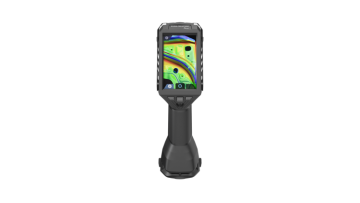
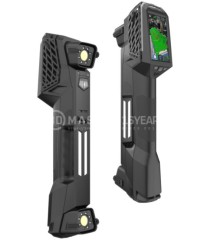
Defective products not only increase production costs but also create a chain of risks related to delivery timelines, brand reputation, and customer experience. As production volumes grow rapidly and products become more complex, manual inspection methods are increasingly too slow, inconsistent, and difficult to scale comprehensively. Sampling inspection alone is no longer sufficient to ensure quality in mass production.
Therefore, automated quality control (AQC) is becoming an essential solution, enabling businesses to detect defects early, inspect 100% of products, and maintain real-time quality control. Beyond defect detection, AQC also helps optimize processes, reduce scrap, and improve overall operational efficiency.
Automated Quality Control (Automated Quality Control System – AQC) is a system that utilizes machines, sensors, cameras, robots, and analytical software to automate the entire product inspection process.
This system can continuously perform key tasks:
Compared to manual inspection, automated quality control offers significant advantages. It is not affected by human factors, reduces errors, increases inspection speed, and most importantly enables 100% inspection instead of sampling.
In the Industry 4.0 trend, these systems are deeply integrated with IoT, AI, and management platforms such as MES or QMS. This allows quality data not only to be recorded but also to serve as a foundation for optimizing the entire production process.
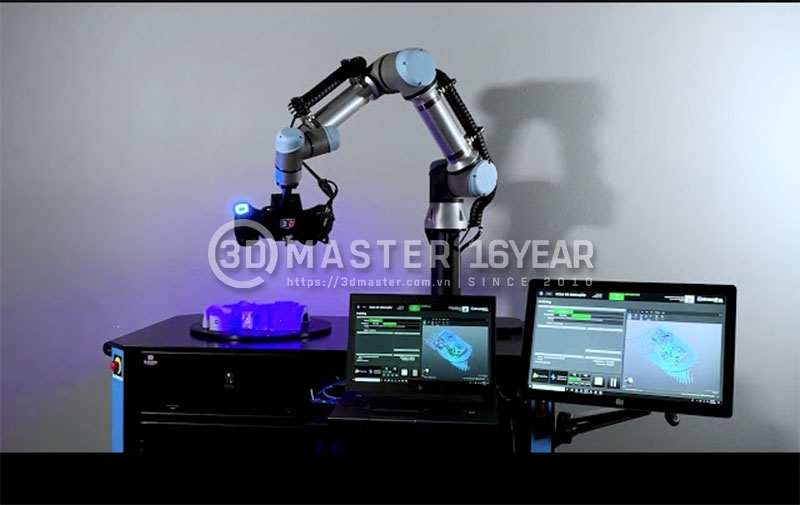
Fundamentally, an automated QC system operates in a closed-loop process, ensuring continuous data processing and rapid feedback.
This mechanism consists of four main stages:
With this mechanism, businesses can shift from post-production inspection to in-process quality control, minimizing the risk of mass defects.
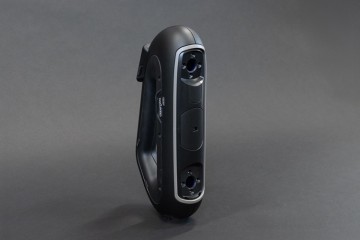
In high-speed production environments with increasingly strict quality requirements, automated quality control (AQC) is not just a tool but a core factor for stable operations, risk reduction, and system-wide optimization.
To build a complete automated quality control system, businesses need to integrate multiple technologies:
3D scanning technology enables full-surface data acquisition with high accuracy, especially effective for complex geometries.
Industrial robots play a central role in automation, moving probes or scanners along programmed paths with high precision and repeatability.
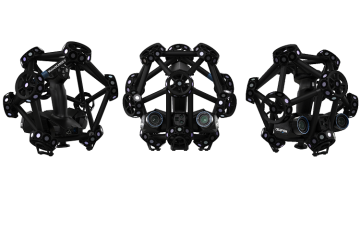
A typical example is the MetraSCAN 3D-R by Creaform, designed for direct robot integration, enabling fully automated inspection within production lines.
Camera systems combined with AI can detect surface defects, shape errors, or assembly issues in real time. This is widely used in high-speed production lines.
Data management software collects, stores, and analyzes all quality information. This data can be integrated with MES or QMS systems to optimize production processes and support fast decision-making.
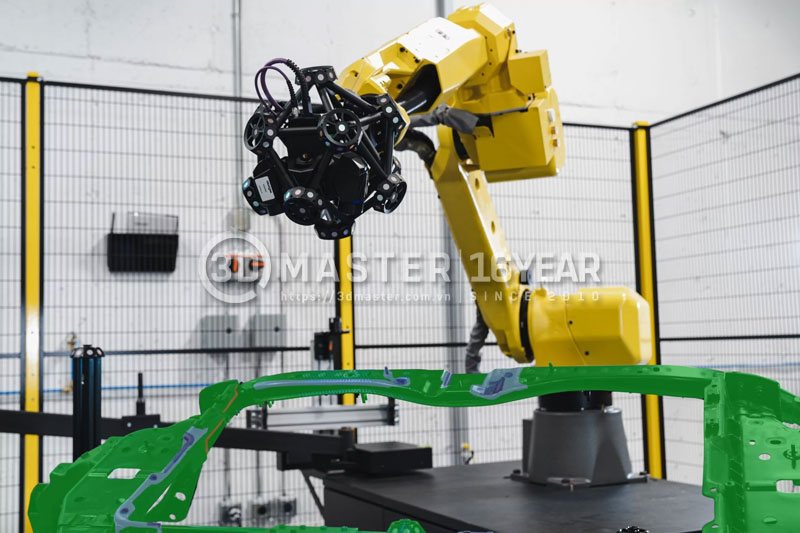
In practice, automated quality control has been widely deployed across industries thanks to its speed, accuracy, and real-time feedback capabilities.
Depending on product characteristics and processes, AQC systems can be customized for different inspection requirements:
It is clear that automated quality control is not just a technology solution but a foundation for transitioning toward smart manufacturing. From improving accuracy and inspection speed to enabling advanced data analysis, AQC systems provide a strong competitive advantage in the Industry 4.0 era.
If you are looking for an effective AQC solution tailored to real factory conditions, 3D MASTER – the official distributor of Creaform in Vietnam with over 10 years of experience – is a trusted partner, offering full demo equipment and a highly skilled technical team ready to consult and implement turnkey solutions for your business.
CONTACT
Hotline - Zalo - LINE - Telegram - WhatsApp - Viber - KakaoTalk: +84 982 089 198 | 0986333960
Email: cuong3dmaster@gmail.com | hung3dmaster@gmail.com | tech3dmaster@gmail.com
Website: https://3dmaster.com.vn