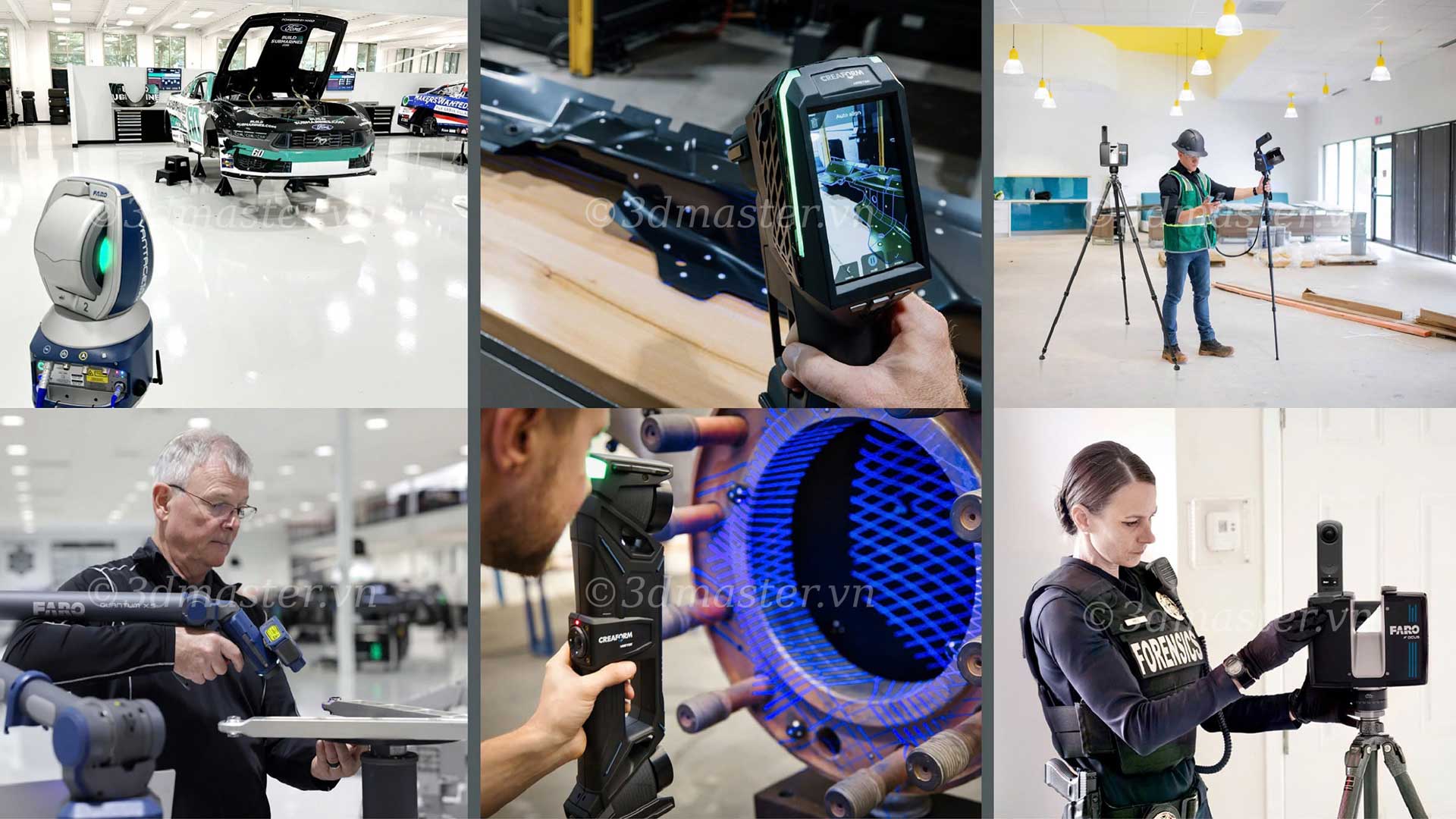
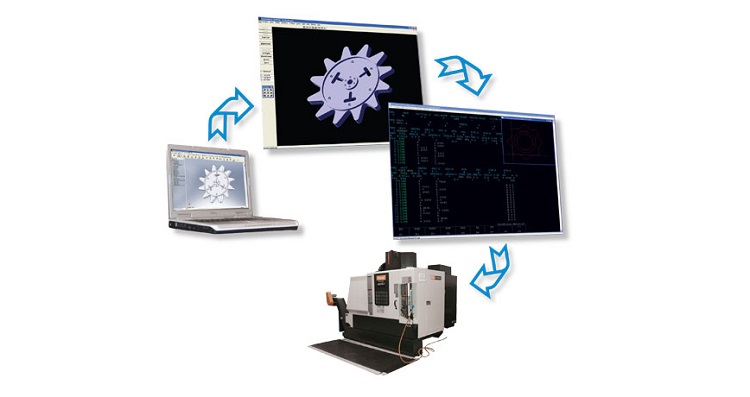
3D scanning technology in education makes learning more visual by combining theory with hands-on experience. Students can move beyond textbooks by operating scanners, collecting spatial data, and analyzing 3D models. Integrating this technology into university courses helps students become familiar with industry workflows, develop technical skills, and explore research opportunities across disciplines.
3D scanning technology uses specialized equipment to capture geometric data from physical objects, structures, or spaces.
Depending on how they operate, scanners may use lasers, structured light, or other measurement methods to capture an object’s shape, dimensions, and position.
In higher education, 3D scanning supports hands-on training and research.
Students gain experience with the equipment, software, and data collection workflows used across many industries. Early exposure to these technologies helps students develop the following skills.
Deepen subject knowledge by observing, measuring, and analyzing real objects using 3D data and applying theoretical concepts to practical situations.
Become familiar with industrial technology by working directly with scanners, data processing software, and measurement workflows used by businesses.
Develop creative thinking by using scan data to test ideas, design solutions, and explore new applications.
Strengthen research skills by collecting field data, building models, and analyzing objects for academic projects.
Build job-ready skills by gaining hands-on experience with specialized technology before entering the workforce.
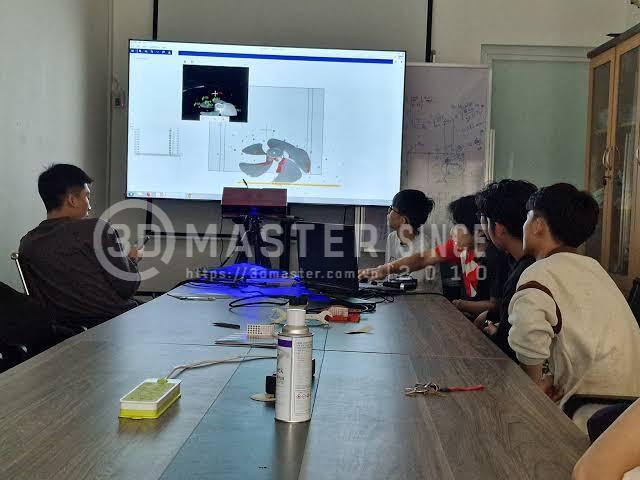
3D scanners support work in construction, mechanical engineering, manufacturing, surveying, and engineering design. Bringing these devices into universities gives students early exposure to the technology and workflows used in their chosen fields.
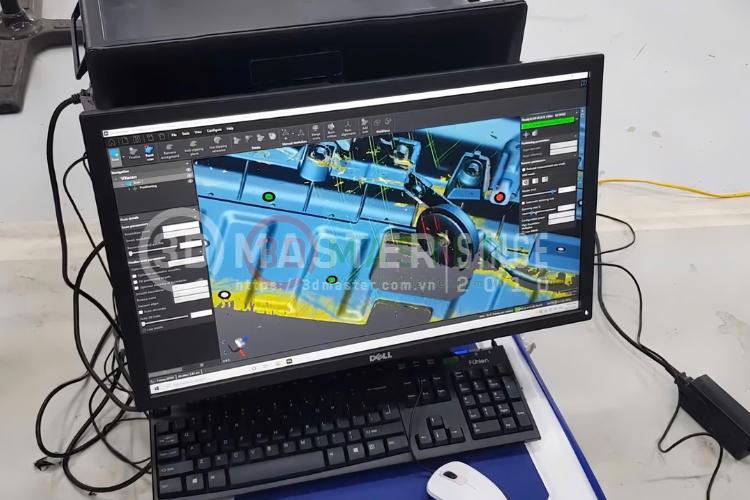
During practical sessions, students can operate scanners, collect geometric data, generate point clouds, and analyze the results using software. This experience helps them understand how the technology fits into each stage of a project, from surveying and measurement to data processing.
Working with specialized equipment at university helps bridge the gap between what students learn in class and the technical skills employers require.
Many companies use 3D scanning technology to collect data, inspect dimensions, reverse-engineer components, and document and manage existing site conditions. Knowing how to use the relevant equipment and software can give engineering students an advantage when applying for jobs.
Hands-on training with 3D scanners helps students develop practical skills.
This experience prepares students to apply for roles in design, metrology, surveying, manufacturing, and engineering research.
Students can scan physical objects themselves and generate 3D data for assignments and projects. Working directly with the objects makes the material easier to visualize and encourages students to explore and experiment.
For example, in a mechanical engineering lab, students can use a 3D scanner to capture the shape of a component, then import the data into software to analyze it and build a digital model. For objects with complex geometry, scan data gives students a way to examine and evaluate the structure in detail.
3D scans provide detailed geometric information about physical objects and spaces. This data supports research projects that involve measurement, surveying, modeling, and analysis.
Depending on their discipline, students and faculty can use scan data for a range of research activities.
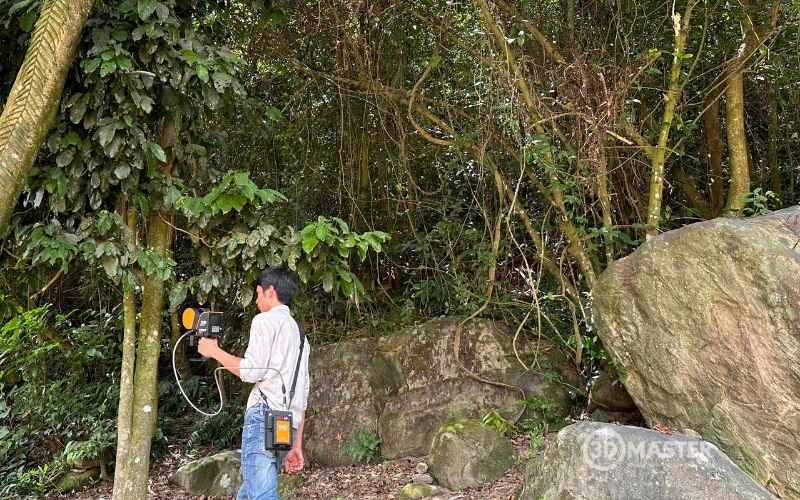
For field surveys, mobile 3D laser scanners can help collect data in complex or hard-to-access areas. Students can participate directly in surveying and data processing and contribute their findings to university research projects.
Investing in 3D scanning technology helps universities expand their teaching, hands-on training, and research capabilities. With suitable equipment and software, universities can develop advanced lab exercises, pursue research projects, and test new teaching methods.
Updating equipment also enables departments, institutes, and research centers to collaborate on interdisciplinary projects. For example, the same 3D scan data can support building surveys, engineering design, and heritage conservation research.
These capabilities also help universities build stronger industry partnerships, understand employers’ technical requirements, and improve the quality of their programs. Targeted investment can help create a modern learning environment that attracts students interested in science and engineering.
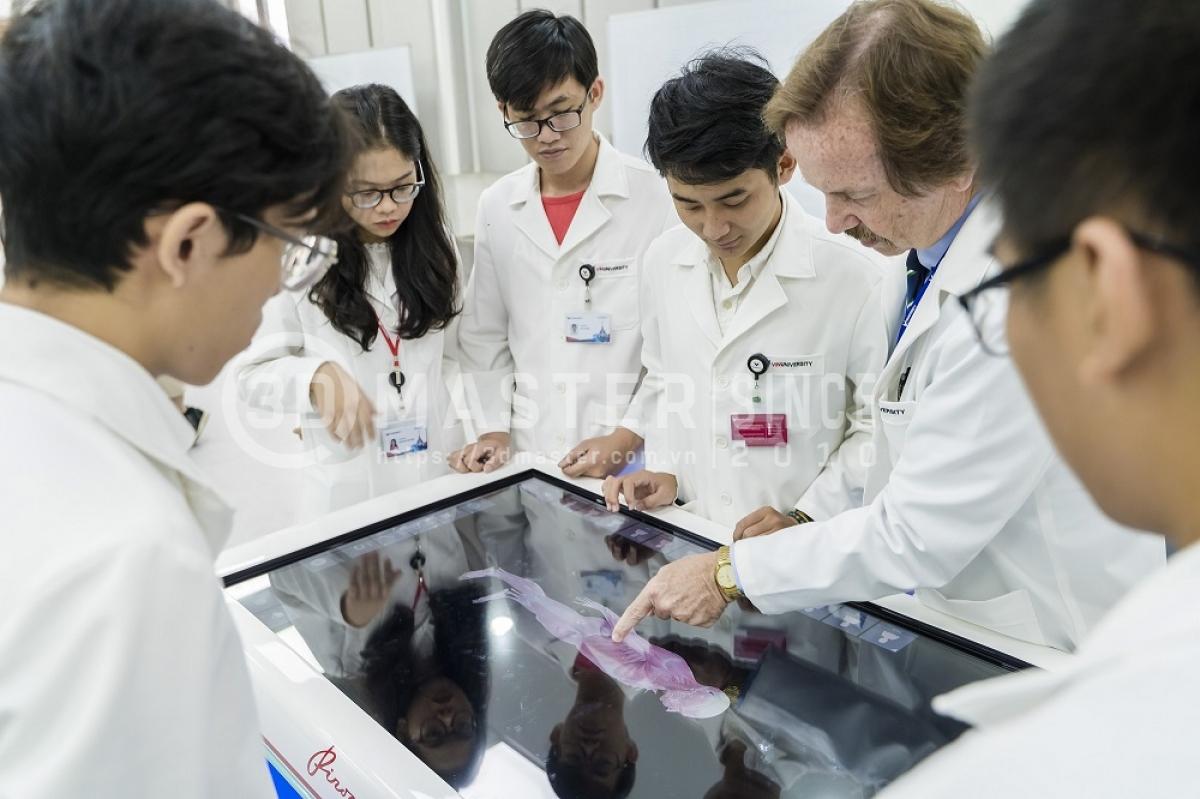
By capturing geometric and spatial data, 3D scanning technology supports a wide range of applications in higher education.
Its applications span engineering, the natural sciences, and the social sciences, where it can support surveying, research, and digitization.
Academic disciplines that can use 3D scanning technology include the following.
Architecture, engineering, and construction use 3D laser scanners to document existing site conditions, measure spaces, map structural elements, and collect data for modeling.
Geology, geography, and environmental science use scanners to collect terrain data, survey natural formations, and document conditions in complex areas.
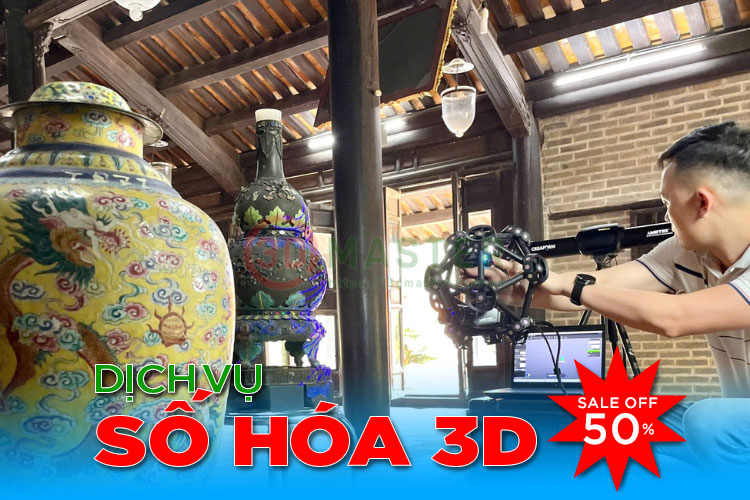
History and social sciences use 3D scanning to document historic buildings, sites, and artifacts for digital archives. Point clouds can be processed into 3D models and combined with augmented reality (AR) or virtual reality (VR) to support research and showcase cultural heritage.
Engineering and design students can analyze geometry, recreate digital models, and use scan data in manufacturing and component inspection workflows.
Introducing 3D scanning technology into education requires planning for budgets, staffing, and technology infrastructure.
To use the equipment effectively, universities need to assess their training needs, select suitable solutions, and establish consistent workflows.
Universities should consider three main challenges.
Investment costs. Universities need to define their training objectives, intended applications, and expected frequency of use so they can choose equipment that fits their needs and budget.
Operating skills. Faculty and students need training in scanner operation, data collection methods, and quality control.
Data integration and processing. Choosing solutions that work with specialized software helps students use scan data effectively and reduces difficulties during coursework and research.
Universities can address these challenges by matching investments to their needs, training users, and choosing compatible equipment and software.
These steps help universities get lasting value from 3D scanning technology.
With more than 10 years of experience in 3D measurement and scanning solutions, 3D Master is an official distributor of FARO and Creaform in Vietnam. The company supplies specialized 3D scanners and technology solutions for education, research, and manufacturing.
3D Master offers solutions for a range of applications.
Specialized 3D scanners include handheld devices and scanning solutions for object digitization, measurement, reverse engineering, and research.
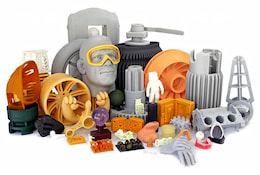
3D printers can produce models, prototypes, and components for lab exercises, supporting STEM education and design research.
Application-specific consulting helps customers select equipment based on what they need to scan, the required accuracy, the project scale, and the intended use.
Equipment demonstrations and technical support give customers hands-on experience with the equipment and guidance from technical specialists during implementation.
With a full range of demonstration equipment and a specialized technical team, 3D Master helps universities, research institutes, and training providers adopt and use 3D technology.
3D scanning technology in education helps universities develop new teaching methods while giving students access to tools used in industry. It also helps students build technical skills and gain research experience. Investing in suitable 3D scanners and printers enables universities to expand hands-on learning, strengthen STEM education, and align academic training with industry needs. This investment can improve the quality of university education as institutions adopt more digital tools.
3D Master Contact Information