Facility management requires accurate data on building conditions, equipment locations, and technical systems. However, outdated drawings, measurement errors, and fragmented documentation can increase maintenance costs, complicate renovation projects, and create operational risks. 3D scanning technology helps digitize existing conditions and provides visual data that enables businesses to improve management efficiency, control risks, and develop appropriate maintenance plans.
Facility management involves more than tracking assets. It also includes monitoring equipment conditions, maintaining technical systems, and ensuring operational safety.
To manage facilities effectively, managers need documentation that accurately reflects actual building conditions and is updated whenever changes occur.
However, traditional management methods still have several limitations:
Inaccurate as-built data: Drawings are not updated after repairs, renovations, or equipment relocations, making it difficult to determine actual dimensions and layouts.
Limitations of manual measurements: Surveys depend on the operator's technique, which may introduce errors and require repeated measurements in complex areas.
Difficulties in document management: Drawings, equipment information, and maintenance records are stored in different locations, making data retrieval, cross-checking, and sharing time-consuming.
Operational risks: A lack of accurate information about pipelines, equipment, and working spaces can affect maintenance planning, safety, and repair schedules.
These limitations have different impacts depending on the type of facility. In industrial plants, inaccurate data can affect safety and regulatory compliance. In commercial buildings, unreliable information can lead to inefficient space utilization and increased management costs.
Therefore, facility management needs to move away from an approach that relies heavily on archived documents toward one based on verifiable, up-to-date information about actual conditions. This provides a foundation for better asset control, fewer maintenance errors, and more reliable operational decisions.
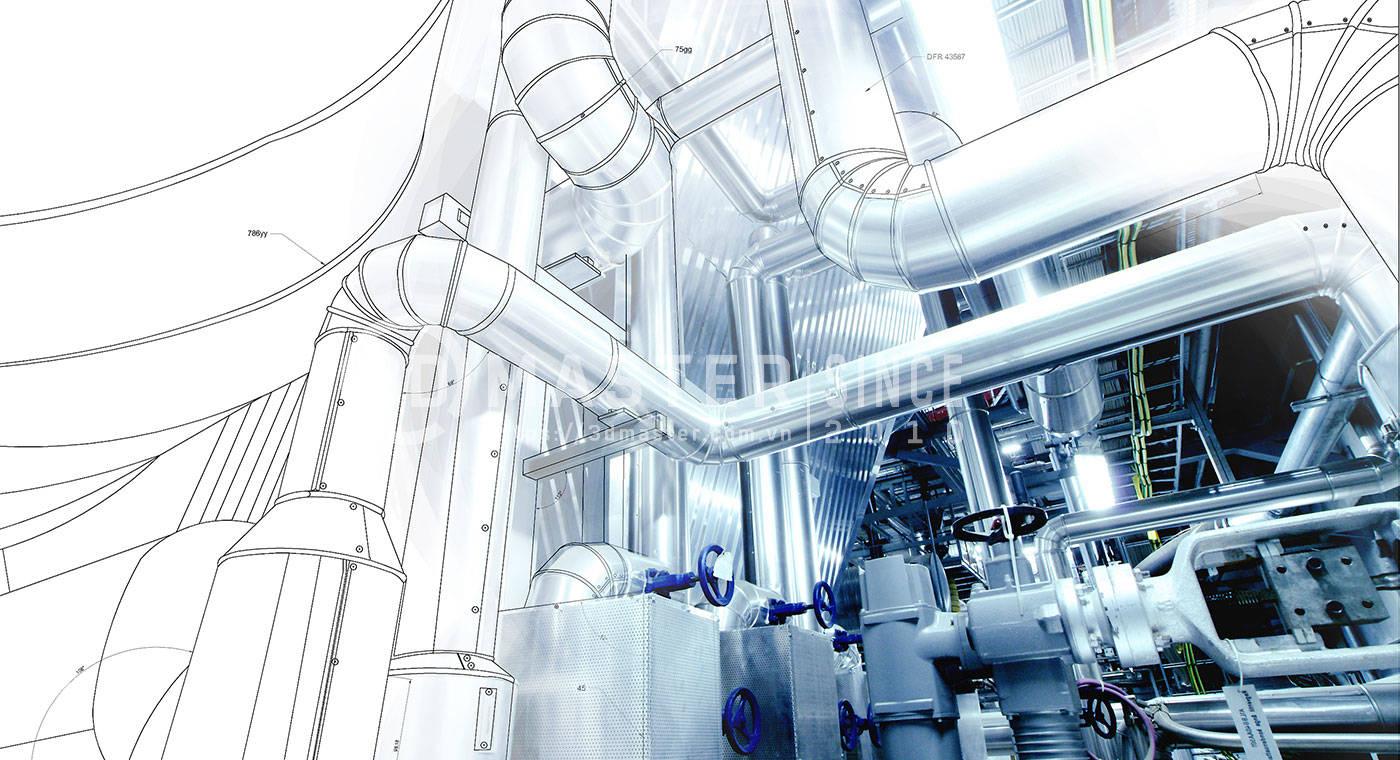
3D scanning enables spatial data to be collected directly from existing facilities rather than relying solely on design drawings or previously prepared documentation.
The resulting data can represent the shapes, dimensions, and relative positions of structural components, equipment, and technical systems within the surveyed area.
After processing, 3D scanning data can be used to compare actual conditions against existing records, produce technical drawings, and support facility management, maintenance, and renovation activities.
Specifically, this technology supports facility management in the following ways:
Digitizing existing conditions: Collecting spatial data to document the dimensions, shapes, and positions of objects within the surveyed area.
Standardizing asset data: Providing geometric information to identify equipment locations, cross-check documentation, and develop a centralized management database.
Updating technical documentation: Using real-world data to verify existing drawings and support the preparation of as-built drawings or renovation documentation.
Improving coordination: Sharing 3D data among engineering, maintenance, and management teams so they can jointly review existing conditions and evaluate corrective measures.
The key advantage is that 3D scanning provides input data that closely reflects conditions at the time of the survey. However, for long-term management, businesses must combine scanning with data verification, classification, document updates, and integration into an appropriate management system. Scanning data does not automatically replace inspection records, operational information, or relevant legal documentation.
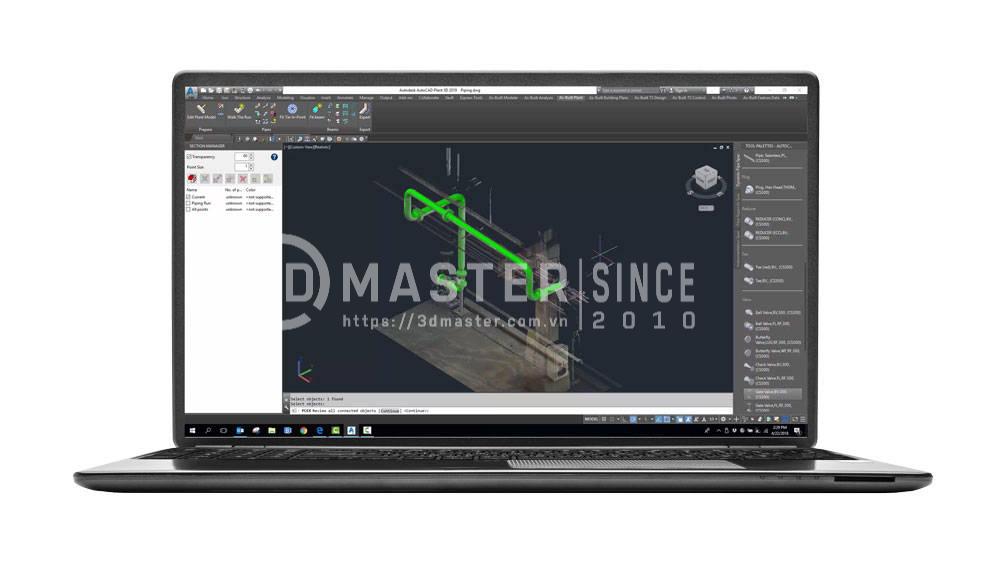
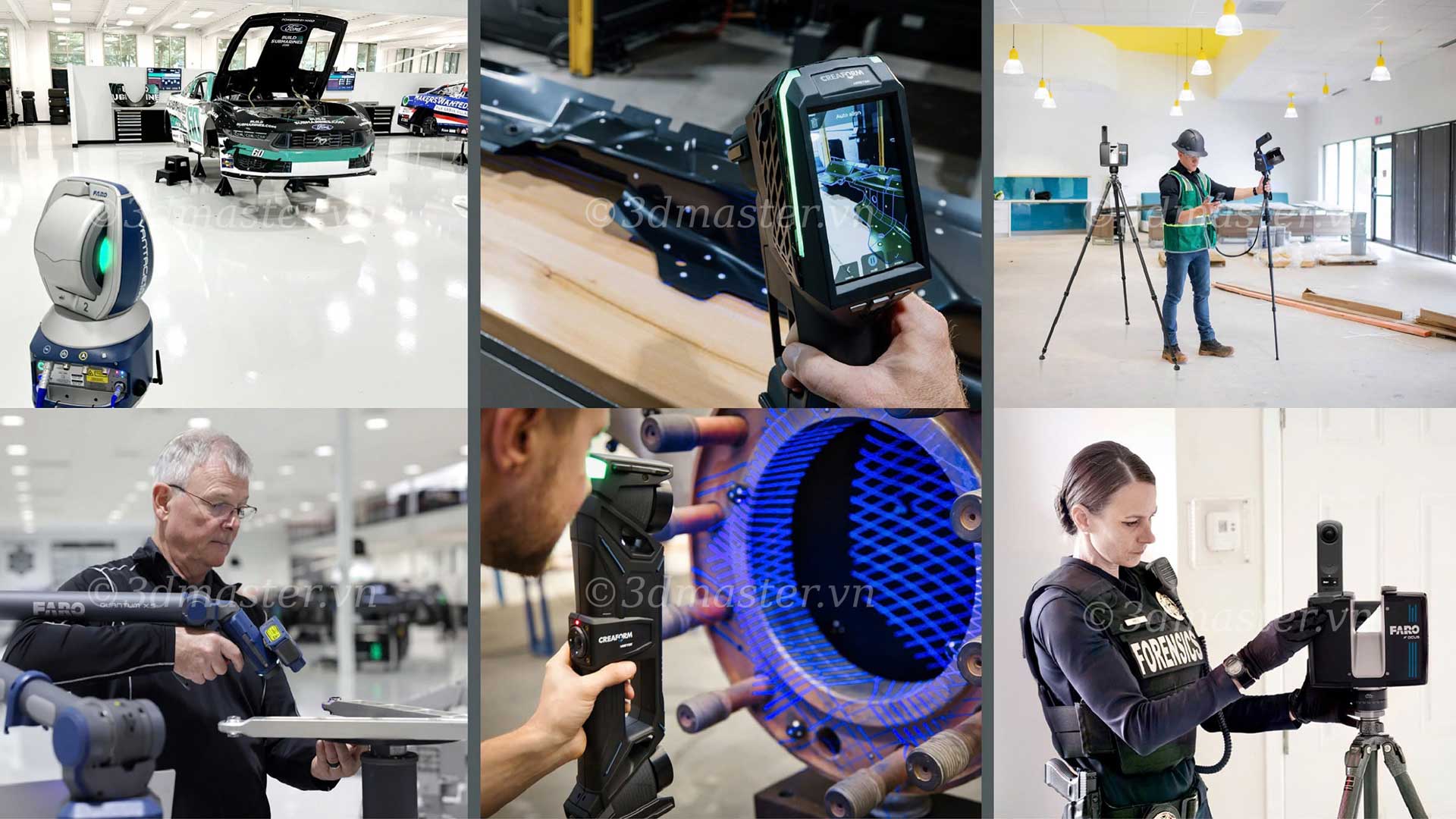
To digitize facilities, businesses can combine several technologies depending on the survey area, building complexity, and accuracy requirements. Each solution serves a distinct purpose in data collection, visualization, and management.
Static 3D laser scanning: Captures high-density point clouds in machine rooms, pipe corridors, and equipment-dense areas. It is suitable when detailed geometric data is required for measurement, comparison, and existing-condition documentation.
Mobile 3D scanning: Collects data while moving through a site, making it suitable for factories, warehouses, and large facilities. This approach increases survey speed, particularly when multiple areas must be documented within a single project.
360-degree panoramic imaging: Records visual information about spaces, supports remote observation, and establishes the context at the time of the survey. Panoramic images can complement geometric data but cannot replace precise measurements.
Cloud-based data management platforms: Support the storage, viewing, annotation, and sharing of point clouds or images among stakeholders. This enables engineering teams to coordinate their work without exchanging multiple disconnected sets of documents.
Technology selection should be based on the intended use of the data. For areas containing complex piping and equipment, static 3D laser scanning may be appropriate.
For large facilities, mobile 3D scanning can accelerate data collection. Meanwhile, cloud-based platforms help manage and utilize the data after the survey.

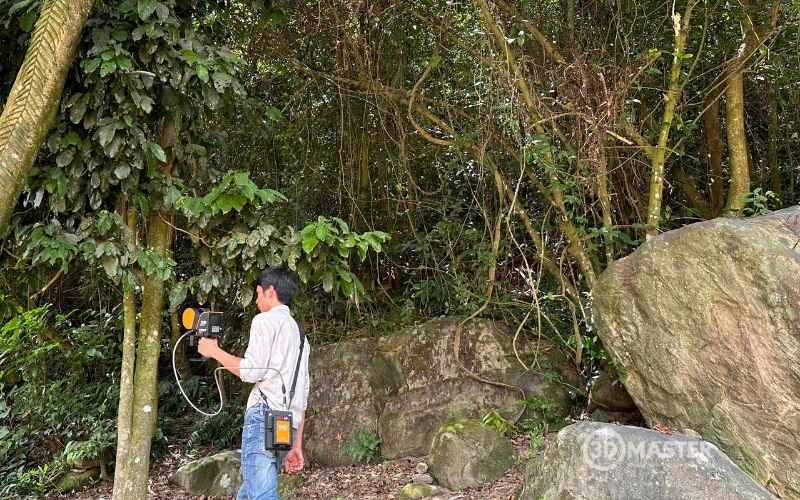
The value of 3D scanning lies not only in documenting existing conditions but also in providing data to support engineering decisions.
When integrated into facility management workflows, this data helps businesses reduce their reliance on outdated drawings, improve control, and take a more proactive approach to maintenance planning.
The main benefits include:
Improving documentation reliability: Scanning data provides a basis for verifying dimensions, equipment locations, and discrepancies between drawings and actual conditions.
Reducing survey time: Collecting extensive spatial information in a single survey minimizes the need to repeat measurements when previously captured dimensions are sufficient.
Reducing errors and rework costs: Helping identify dimensional or layout discrepancies before repairs, installations, and renovations begin.
Reducing exposure to hazardous areas: Enabling rapid data collection and supporting remote assessment after the survey, thereby reducing the need for direct access during certain tasks.
Supporting maintenance and compliance: Providing reference data for maintenance planning, condition assessments, and the preparation of documentation required for evaluations.
It is important to note that 3D scanning cannot independently identify internal equipment defects or replace specialized inspection methods. The technology delivers the greatest value when combined with maintenance records, operational data, and the company's engineering inspection procedures.
Over the long term, systematically maintained as-built data helps businesses establish a reliable information foundation for asset management. It also provides a starting point for implementing spatial management solutions, building information modeling, and digital twins when required.
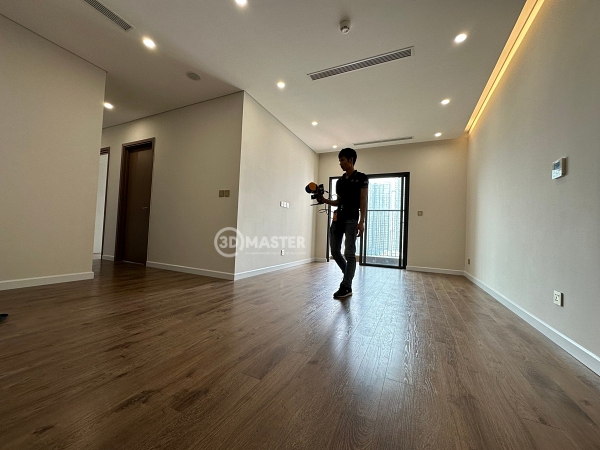
3D scanning services can be implemented across various facility types, from manufacturing plants to commercial buildings and industrial technical systems.
Depending on project objectives, the collected data can be processed into point clouds, 3D models, or technical drawings to support specific tasks.
Common practical applications include:
Existing-condition surveys: Digitizing factories, buildings, machine rooms, and piping systems to document dimensions, equipment locations, and spatial layouts.
As-built drawing preparation: Providing actual geometric data for comparison with design drawings and supporting the updating of documentation after construction or renovation.
Renovation and upgrading: Creating existing-condition models to verify installation clearances, assess equipment positions, and develop layouts for new systems.
Developing asset management data: Providing spatial information that can be linked to equipment locations, technical specifications, maintenance records, and asset management systems through appropriate integration.
To make effective use of existing-condition data, businesses need to select scanning methods and data-processing workflows that align with their intended applications.
3D Master provides 3D scanning solutions and 3D measurement equipment to help businesses collect spatial data for surveying, design, and technical management.
In summary, effective facility management requires reliable technical documentation, accurate existing-condition data, and consistent operational processes. 3D scanning technology enables businesses to digitize real-world facilities, update drawings, support renovation planning, and improve coordination between departments. When implemented appropriately, this solution also establishes a data foundation for long-term asset management, helping reduce errors, optimize maintenance costs, and improve building operational efficiency.
Contact 3D Master:
Hotline / Zalo / Telegram / WhatsApp / LINE / Viber / KakaoTalk: +84 982 089 198 | 0986333960
Email: cuong3dmaster@gmail.com | hung3dmaster@gmail.com | tech3dmaster@gmail.com
Website: https://3dmaster.com.vn