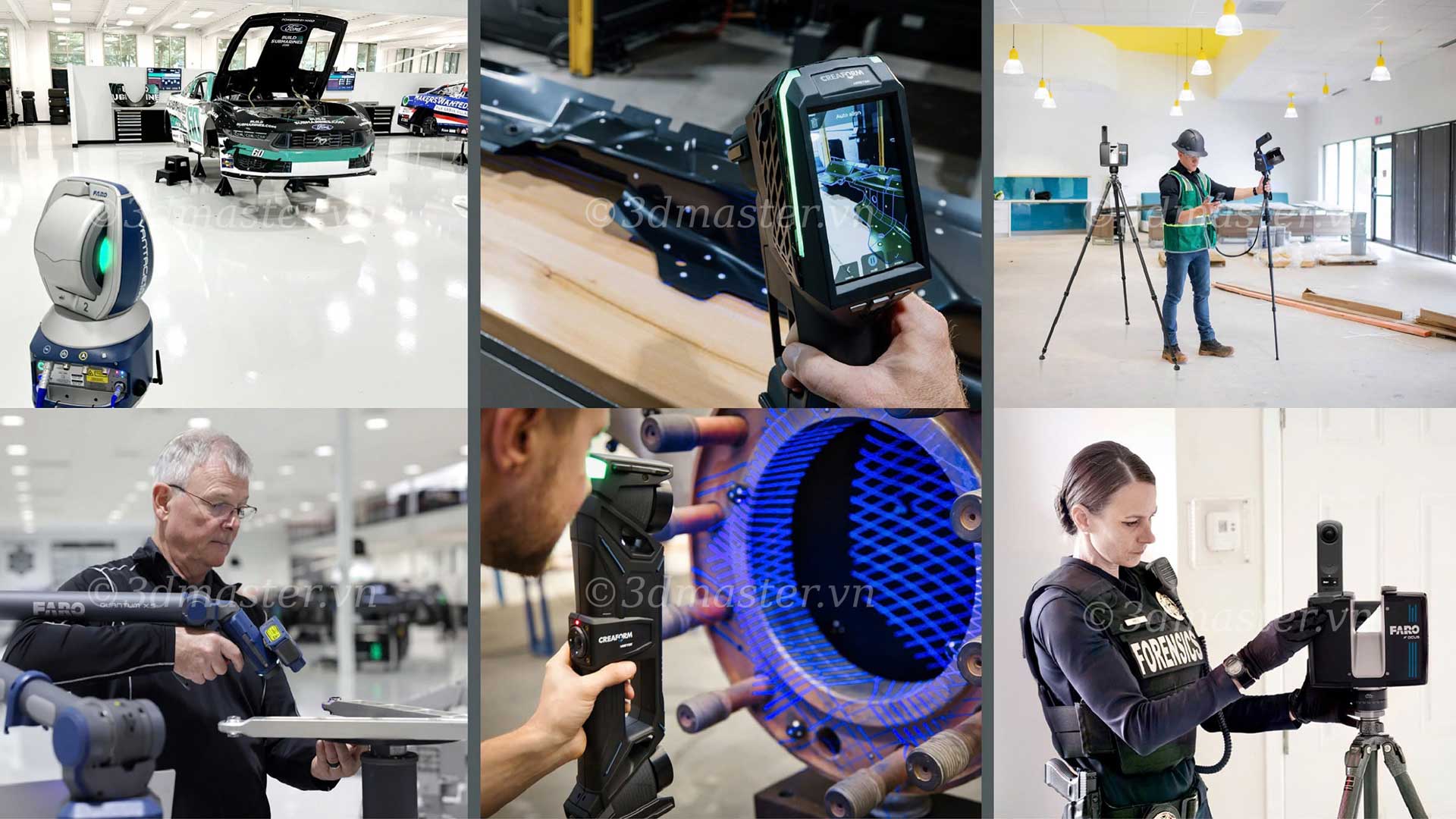
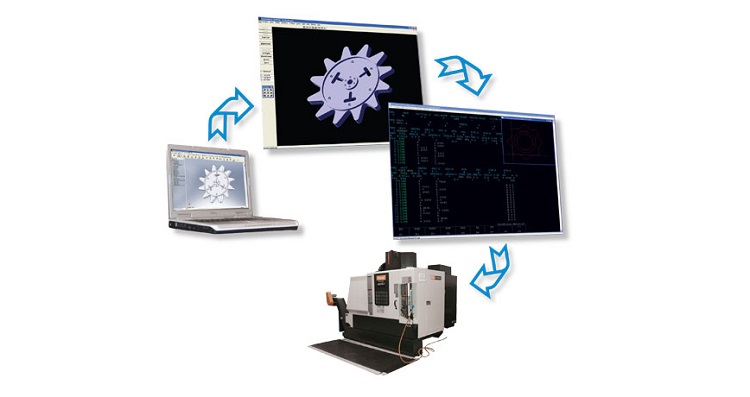
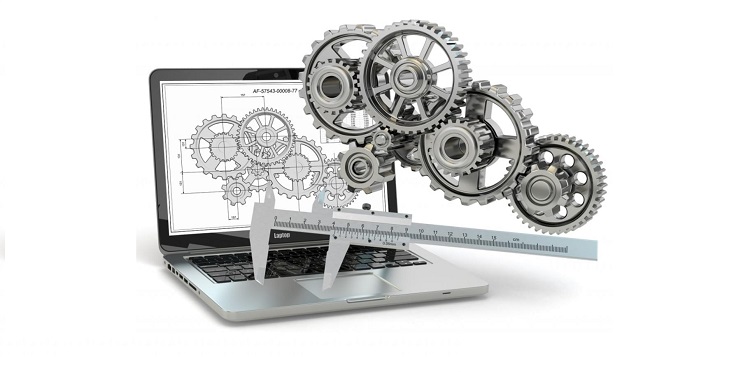
3D laser scanning in forensic investigations helps document crime scenes and traffic accidents in detail, supporting measurement, analysis, and incident reconstruction. Rather than relying solely on photographs or manually collected measurements, this technology creates 3D spatial data that investigators can revisit and use to perform the necessary measurements. So, what benefits does 3D laser scanning technology offer, and what should you consider when selecting equipment?
3D laser scanning in forensic investigations is a method that uses laser scanners to capture spatial data from crime scenes, traffic accidents, or other locations requiring forensic analysis.
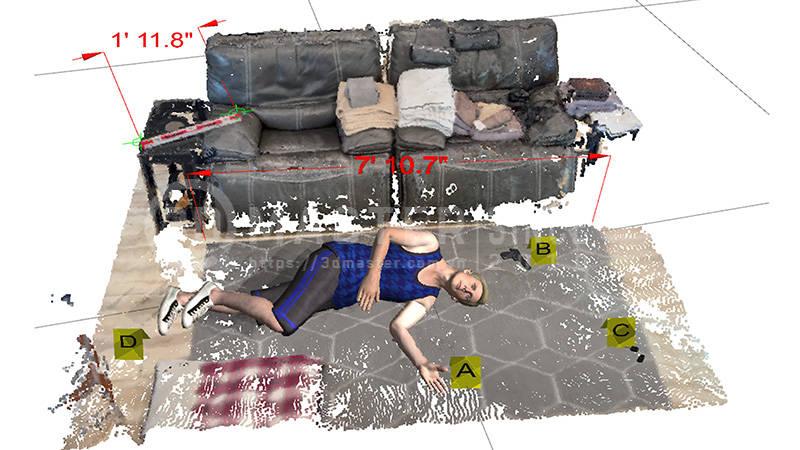
The collected data can be processed into point clouds and 3D models that represent the relative positions of objects and the spatial characteristics of the scene at the time of documentation.
The 3D laser scanning process in forensic investigations typically involves the following steps:
Crime scene data acquisition: The scanner captures millions of measurement points to describe the shapes, dimensions, and positions of objects in space.
Data processing: Individual scans are aligned and combined to create a unified 3D representation of the scene.
Analysis and measurement: Investigators use specialized software to examine distances, dimensions, relative positions, and other parameters required for analysis.
Reconstruction and presentation: The data can be converted into 2D drawings, 3D models, or simulated visualizations to help explain the sequence of events.
This method enables spatial information to be preserved systematically. However, scanning data must be collected, processed, and verified according to appropriate procedures to ensure its reliability in investigations.
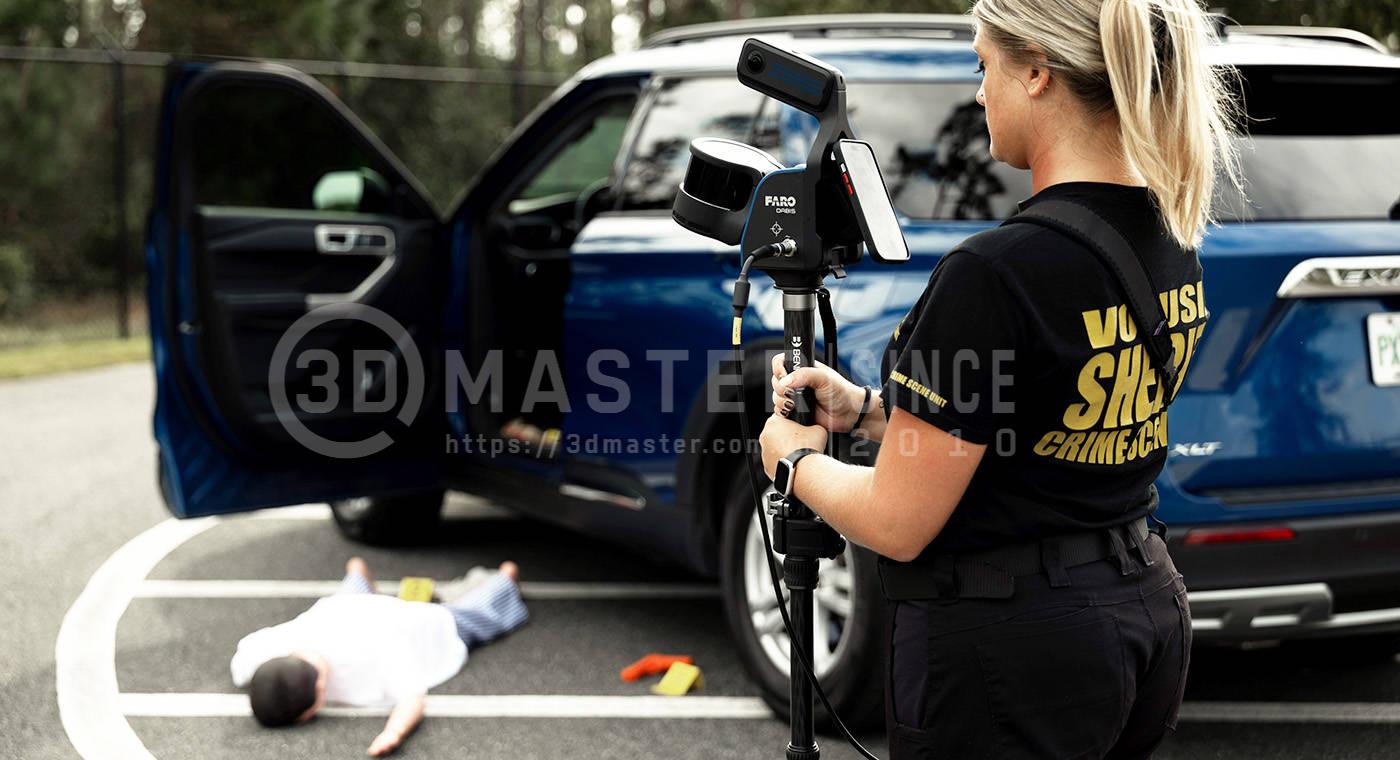
Modern laser scanning systems feature increasingly intuitive interfaces and streamlined operating procedures. This allows users to perform scanning tasks more conveniently without manually processing every piece of scene data. Ease of use still depends on the equipment, software, and expertise required for each task.
Laser scanning equipment is available in a growing range of sizes and configurations. Systems designed for fieldwork make it easier for investigation teams to transport equipment, set it up, and collect data at different locations.
Some laser scanners can capture data from a distance, helping operators avoid direct exposure to hazardous areas.
In addition, high data acquisition speeds can reduce the time spent working at a scene. However, scanning equipment does not replace established safety procedures or scene access controls.
Laser scanners can capture large volumes of spatial data in a short time. According to FARO Creaform, some systems can capture up to 1 million points per second.
Instead of measuring and recording each location separately, investigators can use scan data to perform multiple measurements after leaving the scene. This reduces the need to revisit a location solely to collect additional information that could have been captured during the initial survey.
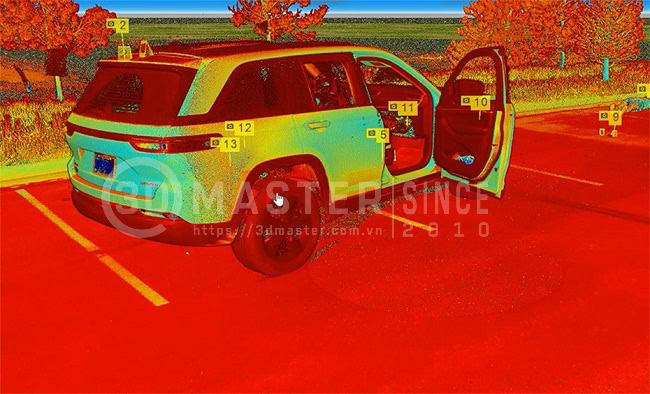
3D laser scanning data can be used to generate various deliverables for different purposes, including:
2D drawings: Show floor plans, dimensions, and the relative positions of objects.
3D models: Reconstruct the scene for examination from multiple viewpoints.
Simulated images and videos: Help explain spatial relationships or the sequence of events when sufficient data and appropriate analytical methods are available.
These deliverables make scene examination more flexible than relying solely on photographs and separate written records.
The application of 3D technology in scene documentation is expanding the possibilities for data storage and exchange between specialist teams.
When developed according to standardized procedures, scan data can help standardize scene documentation and enable investigation teams to coordinate more effectively.
3D laser scanning can reduce measurement time, limit return visits to the scene for additional data collection, and decrease manual documentation workloads. These factors can improve resource utilization.
However, actual cost savings depend on equipment prices, software, staff training, workload, and usage frequency. Therefore, organizations should evaluate the total cost of ownership rather than comparing purchase prices alone.
When combined with suitable analytical software, 3D data can support the measurement of geometric features and spatial relationships at a scene.
In forensic investigations, some specialized software also supports bloodstain pattern analysis, bullet trajectory analysis, and the assessment of the relative heights of individuals involved.
Analytical results must be evaluated alongside other evidence by appropriately qualified professionals. Scan data alone is insufficient to establish the cause or sequence of an incident.
Scan data can be shared through software or platforms that support 3D data visualization. This allows investigators, forensic analysts, and other relevant parties to examine a scene together without necessarily being physically present at the original location.
Access capabilities depend on the data format, software, user permissions, and confidentiality requirements of the investigation records.
One major benefit of 3D laser scanning is its ability to preserve spatial data as it existed at the time of documentation. Even after a scene has changed or been cleared, investigation teams can revisit the stored data, perform additional measurements, and examine relevant details.
This capability is particularly useful when reviewing hypotheses, comparing analytical findings, or preparing materials for court proceedings. Data must be managed in accordance with appropriate procedures to maintain its integrity and traceability.
To make effective use of 3D laser scanning data, data acquisition equipment must be combined with specialized software and analytical tools.
| Tool | Application in Forensic Investigations |
|---|---|
| Accident reconstruction software | Analyzes scene geometry and supports the investigation of collision sequences. |
| Bloodstain and bullet trajectory analysis software | Supports measurement, visualization, and analysis of features relevant to a case. |
| 3D data processing software | Aligns, manages, measures, and extracts information from scan data. |
| 3D visualization and virtual reality tools | Supports scene review, technical collaboration, and evidence presentation in court. |
Tool selection should be based on the type of incident, analytical requirements, and compatibility with the scan data. A 3D model can make evidence more visually accessible, but the acceptance and use of such data as evidence must comply with applicable laws and relevant professional requirements.
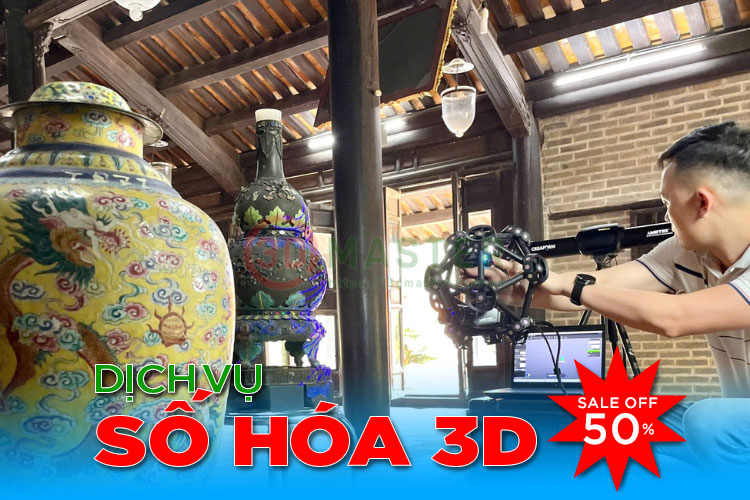
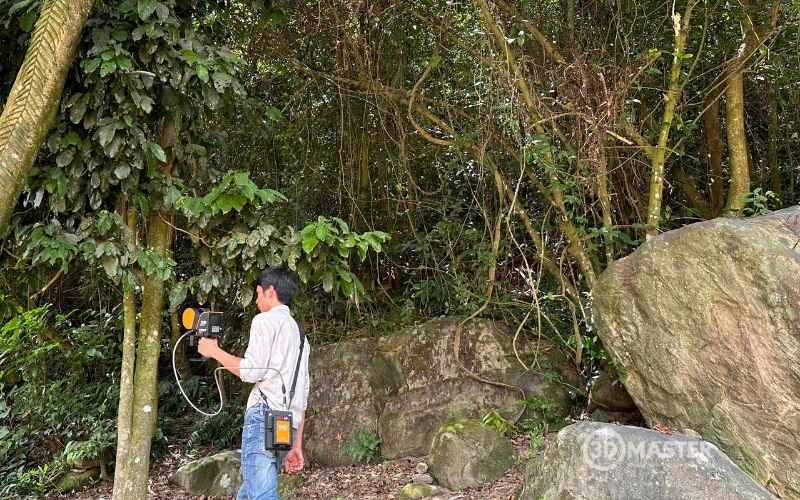
Not every 3D laser scanner is suitable for every scene. The following factors should be evaluated when selecting a laser scanner.
Scanning range and accuracy: Choose equipment that meets the required measurement distance, scene dimensions, and allowable error for the task.
Data acquisition speed: Prioritize systems with suitable performance to reduce on-site working time while meeting the required level of detail.
Portability: Consider weight, ease of transportation, setup time, and actual deployment conditions.
Processing and analysis capabilities: Check data export options, integration with scene reconstruction software, and support for the required measurements.
Data sharing and storage: Evaluate case record management, access permissions, data security, and traceability.
Investment costs: Account for equipment, software, training, maintenance, and operating expenses throughout the service life.
Beyond technical specifications, organizations must establish appropriate data acquisition and verification procedures. These procedures provide the foundation for using scan data consistently throughout analysis and case documentation.
>>> Explore the latest range of modern 3D scanners here
As digital technology continues to advance, new approaches to crime scene data acquisition and analysis are emerging.
Artificial intelligence: Has the potential to support the automation of certain data detection, classification, and review tasks.
Augmented reality: Can help visualize spatial information and compare 3D data with the real-world environment.
Cloud computing platforms: Facilitate data storage, sharing, and collaborative processing among teams in different locations.
These technologies can complement 3D laser scanning workflows. Their practical effectiveness depends on solution maturity, operational requirements, and implementation conditions.
This technology helps preserve spatial information, supports measurements after investigators leave the scene, and enables multiple specialists to examine the same data.
As a result, analysis can rely less on manual documentation and reduce the need to revisit a scene to collect information that was already captured.
Not entirely. 3D scanning supplements photographs, drawings, witness statements, and other evidence collection methods with detailed spatial data. The appropriate combination of methods depends on the characteristics of the incident and the investigation requirements.
Scan data and 3D models can help visualize crime scenes and present analytical findings. However, their admissibility as evidence depends on data integrity, provenance, collection methods, verification results, and applicable legal requirements.
A basic system typically includes a 3D laser scanner, data processing software, and analytical tools suited to the type of incident. Depending on the requirements, investigation teams may also need photographic equipment, measurement tools, and data storage and sharing solutions.
3D laser scanning in forensic investigations enhances the ability to document, preserve, and analyze scenes through detailed spatial data. This technology helps investigators perform flexible measurements, reconstruct scenes, and present information visually. To use it effectively, organizations must select suitable equipment, integrate specialized software, and follow appropriate procedures for evidence preservation and verification.
Contact 3D Master:
Hotline / Zalo / Telegram / WhatsApp / LINE / Viber / KakaoTalk: +84 982 089 198 | 0986333960
Email: cuong3dmaster@gmail.com | hung3dmaster@gmail.com | tech3dmaster@gmail.com
Website: https://3dmaster.com.vn