How Reverse Engineering Technology Helps Get Production Lines Running Again in 24 Hours
How Reverse Engineering Technology Helps Get Production Lines Running Again in 24 Hours
Posted Date: 29-11-2026
How Reverse Engineering Technology Helps Get Production Lines Running Again in 24 Hours
When a component failure brings a production line to a halt, waiting for a replacement can lead to substantial financial losses. Reverse engineering technology allows companies to quickly digitize a physical sample, recreate accurate CAD drawings, and arrange for a replacement part to be machined as soon as possible. This article explains the workflow and its practical benefits.
1. When Should You Have Mechanical Spare Parts Made Locally?
Companies do not always have technical drawings or genuine spare parts on hand when equipment fails. Having a part made locally from a physical sample is particularly useful in the following situations:
Lost original drawings: Older design documents may be missing, paper drawings may have faded, or the files may no longer be available in the factory’s records.
Long supplier lead times: Ordering a replacement from overseas can take three to six months and seriously disrupt the entire production line.
Improvements to existing products: Companies may want to adjust dimensions, optimize weight, or improve durability based on a competitor’s physical sample or an older version of their own product.
Localization of spare parts production: Companies can shift from imported spare parts to domestic machining to reduce costs and gain more control over supply.
CAD files for one-of-a-kind physical samples: Reverse engineering can digitize handmade mold patterns, sculpted objects, or old cast parts that lack original digital specifications.
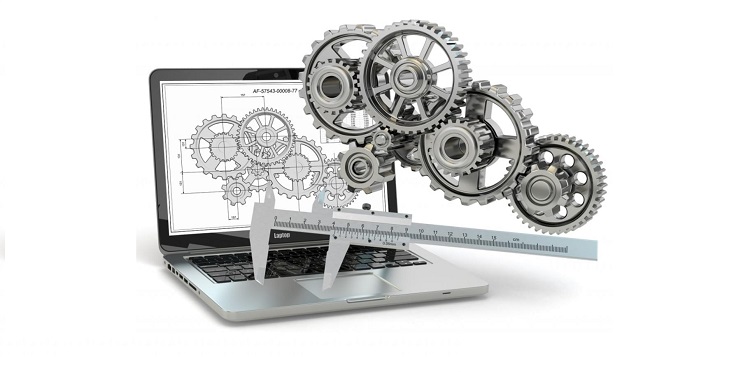
Reverse engineering technology helps recreate spare parts when the original drawings are unavailable
2. How Reverse Engineering Technology Helps Get Production Lines Running Again in 24 Hours
Reverse engineering technology makes it possible to create a 3D design from a physical object. Engineers use 3D scanning equipment to capture the geometry of the sample. This data helps them reconstruct the original technical specifications when the initial drawings are unavailable.
When every hour of downtime adds to costs, 3D scanning and reverse engineering help speed up the replacement process in several ways:
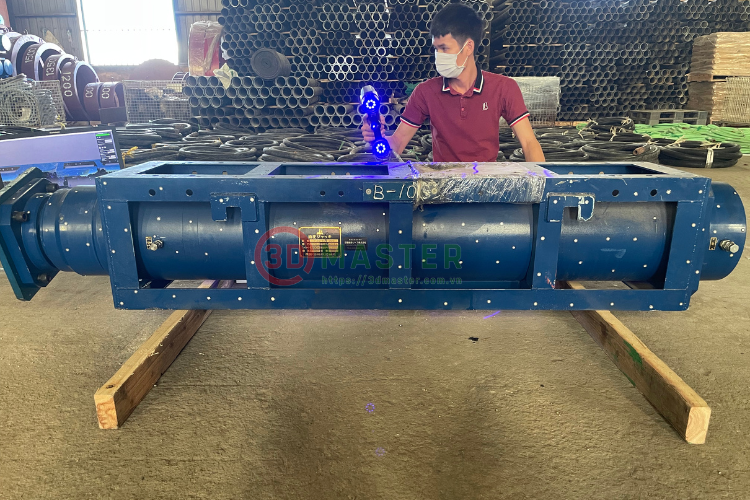
Quickly reconstruct the geometry from a physical sample: A handheld 3D scanner can capture millions of surface data points from a damaged part in minutes without disassembling the entire machine assembly.
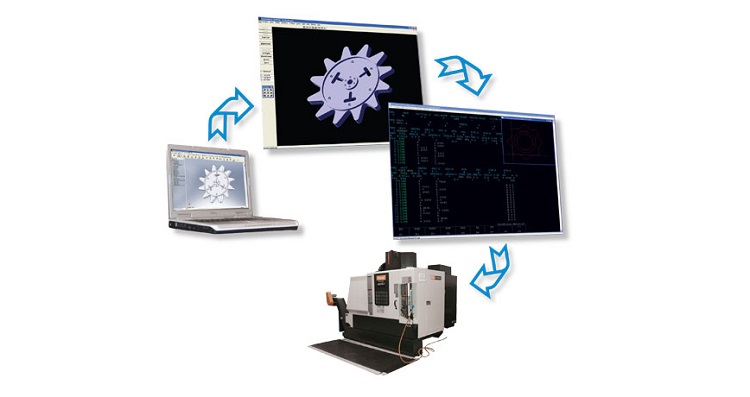
Prepare for manufacturing in parallel: Scan meshes or CAD files can be sent directly to the CNC machining or 3D printing team so production preparations can begin in parallel.
Verify dimensions before precision machining: Engineers check tolerances and compensate for wear in the CAD model before sending it to the workshop. This helps reduce errors and rework.
Cut lead times: Manual measurement with calipers can take weeks. The streamlined workflow can produce a manufacturing file within 24 hours of scanning.
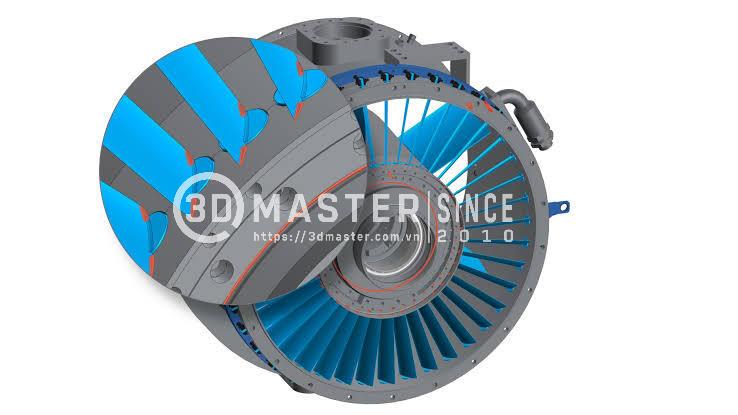
Reconstructing part geometry and mounting hole locations from measurement data
3. Reverse Engineering Steps From a Physical Sample to a Manufacturing Drawing
Turning a physical object into an accurate manufacturing drawing involves four core steps:
Step 1: 3D scan the sample and capture its geometry. Use a dedicated optical or laser scanner to record the sample’s surface coordinates as a point cloud.
Step 2: Process the polygon mesh. Clean the scan data, remove noise, and fill gaps to produce a complete polygon mesh file in STL or OBJ format.
Step 3: Build a parametric CAD model. Use specialized software such as Geomagic Design X to reconstruct a feature-based 3D CAD model with editable dimensions.
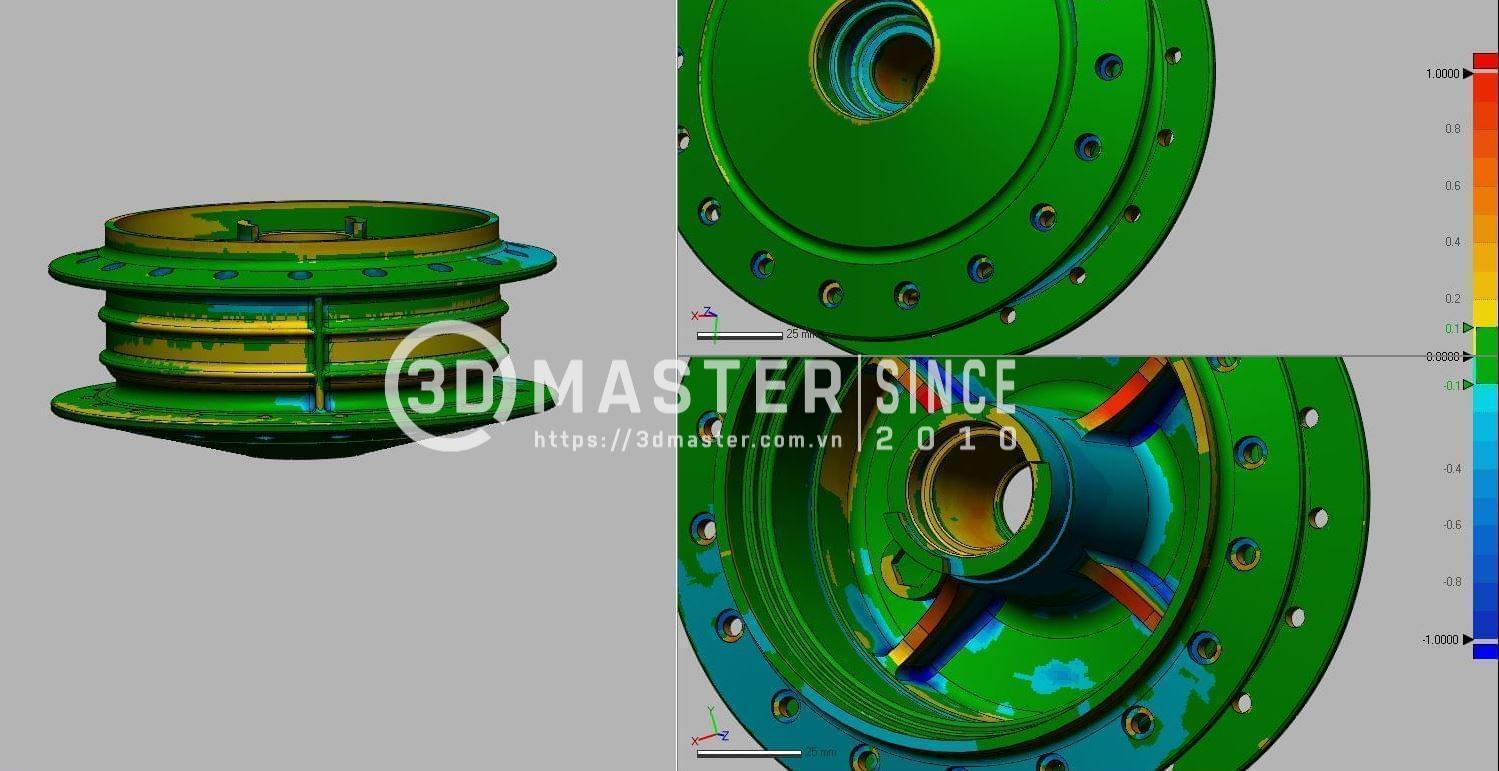
Step 4: Check for deviations. Compare the reconstructed CAD model against the original point cloud using a color map to verify accuracy before delivery.
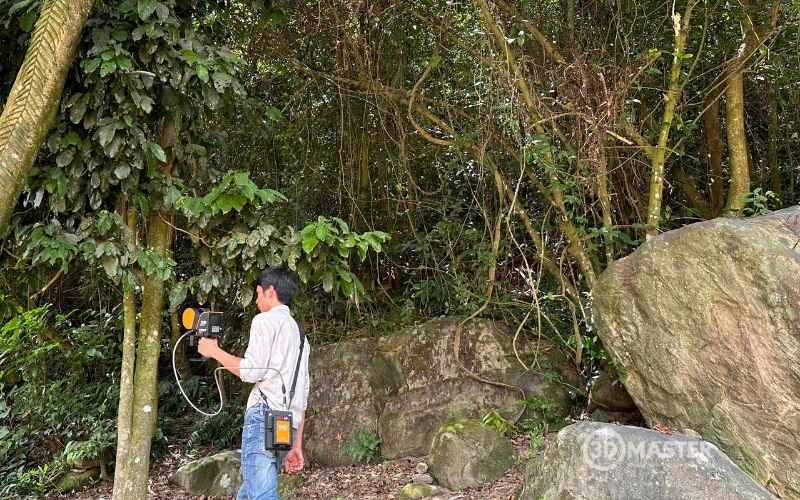
3D scanning an intact sample to capture its geometry
Common Reverse Engineering Challenges and How to Address Them
Converting a physical sample into a digital model requires technical expertise. Engineers with limited experience may encounter issues that affect the quality of the final drawing:
Technical challenge
What can go wrong
How to address it
Capturing complex surfaces
Freeform or highly reflective surfaces can result in gaps in the scan data.
Use a dedicated scanner and realign the affected mesh regions.
Controlling assembly tolerances
Small errors in shaft bores or keyways can prevent the part from fitting.
Take reference measurements directly from adjacent mating components.
Choosing the right software
General-purpose design software can make the reconstructed files difficult to edit.
Use specialized software such as Geomagic Design X to create a parametric CAD model.
Compensating for wear
The physical sample may have worn down after extended use.
Adjust the CAD dimensions to restore the original design specifications.
Aligning coordinate systems
Scans taken from different angles may have misaligned coordinate origins.
Place standard positioning targets on the sample before scanning.
How Does 3D Master Use Reverse Engineering Technology to Assess Whether a Spare Part Can Be Recreated?
When a factory faces a component failure or wants to shift production to local suppliers, choosing a partner with the right technical capabilities can determine whether the project succeeds.
3D Master is a pioneer in Vietnam in providing integrated 3D scanning equipment solutions and professional reverse engineering services.
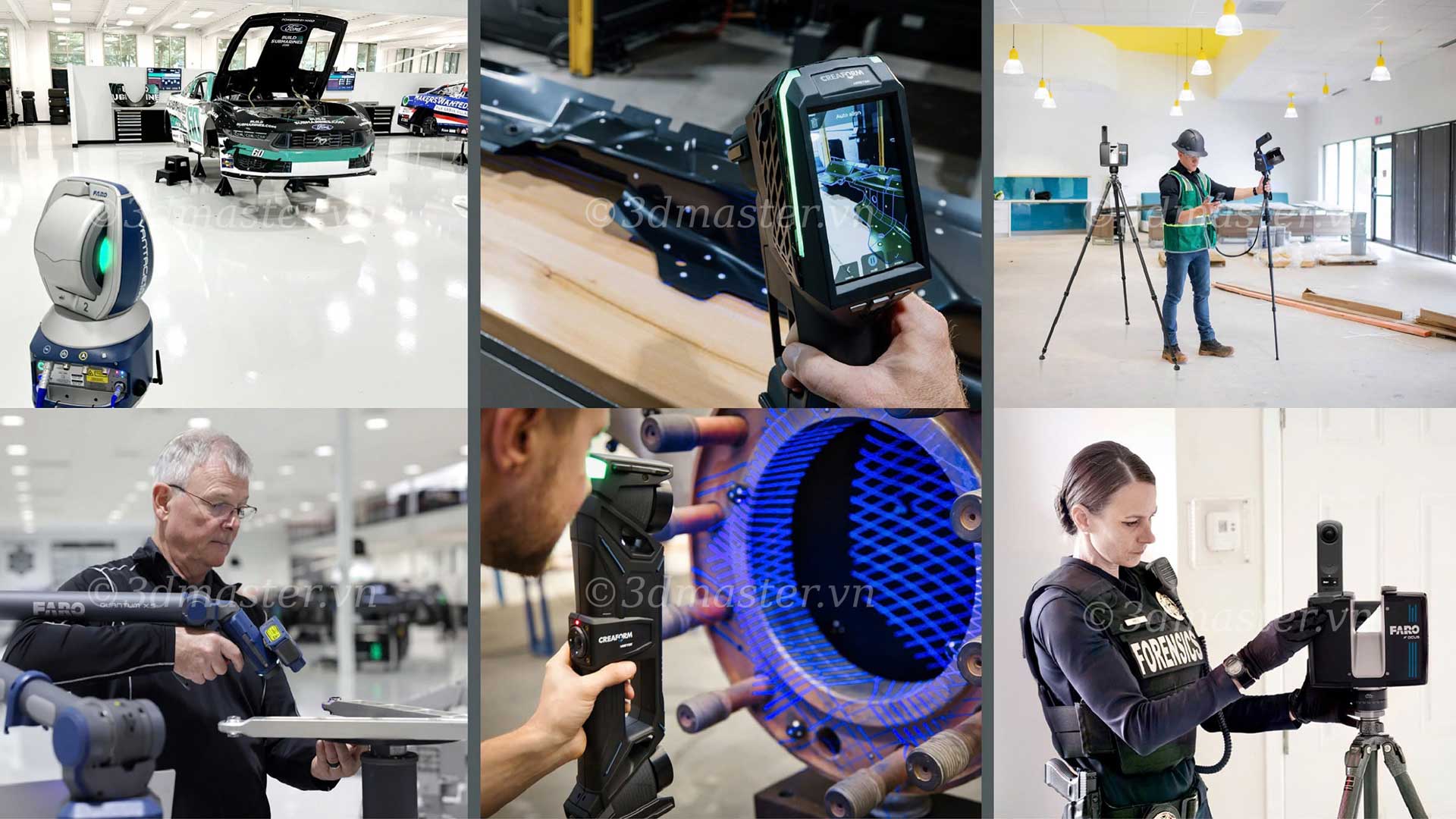
Uses high-accuracy industrial handheld 3D scanners from FARO and Creaform to capture complex geometries without applying a coating that could damage the sample.
Sends experienced mechanical engineers to assess samples on-site, analyze materials, and recommend a suitable technical approach.
Provides accurate CAD files and a detailed color map showing deviations before handing the files over to the machining workshop.
Commits to fast turnaround times and helps businesses address urgent equipment and spare parts needs.
Reverse engineering technology gives businesses greater control over their spare parts supply and helps reduce operating costs. Contact 3D Master today to have a specialist assess your physical sample and recommend a technical solution for your project.