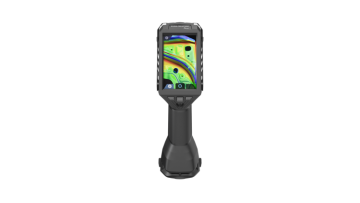
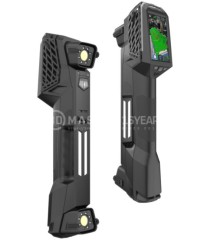
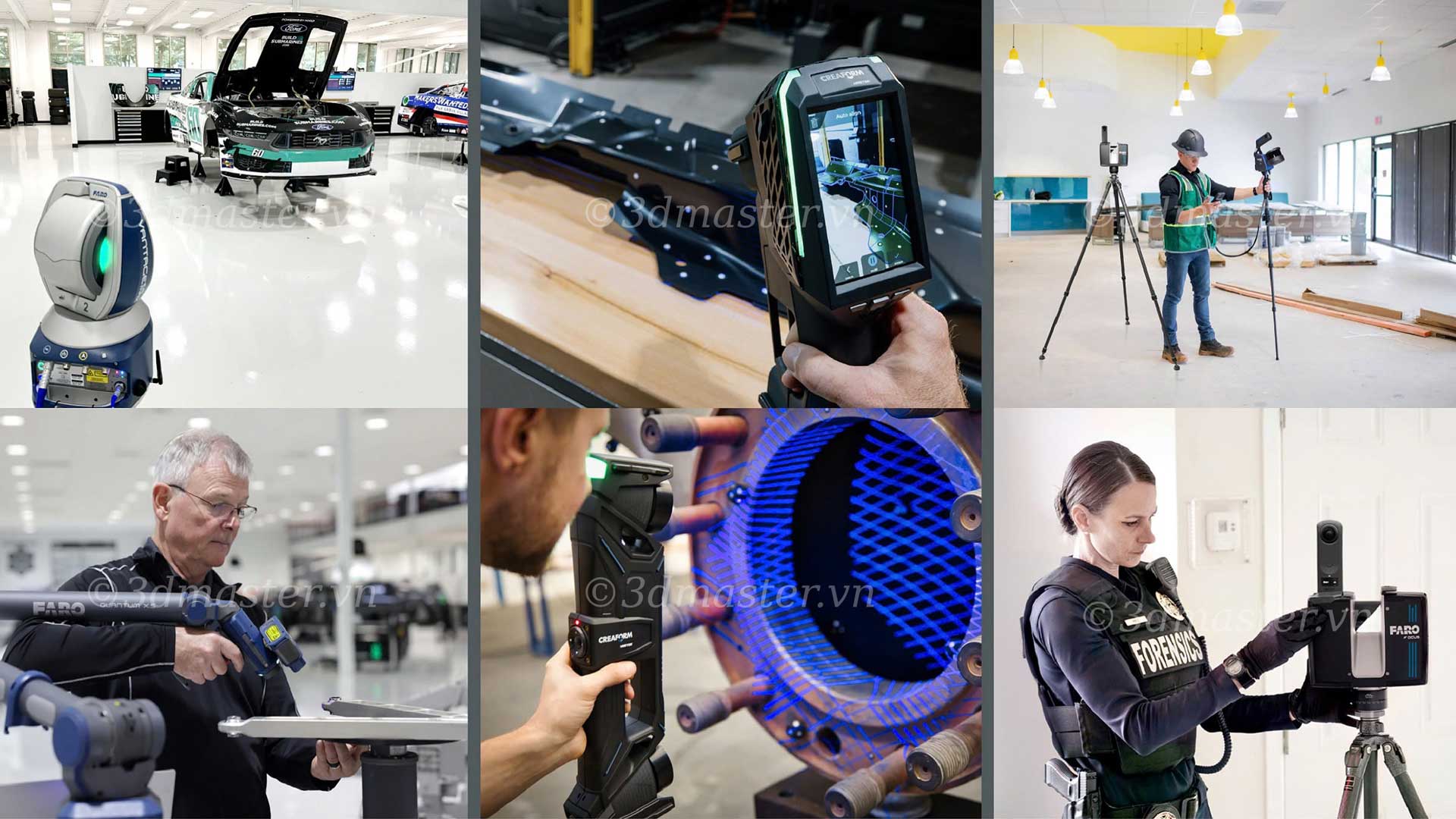
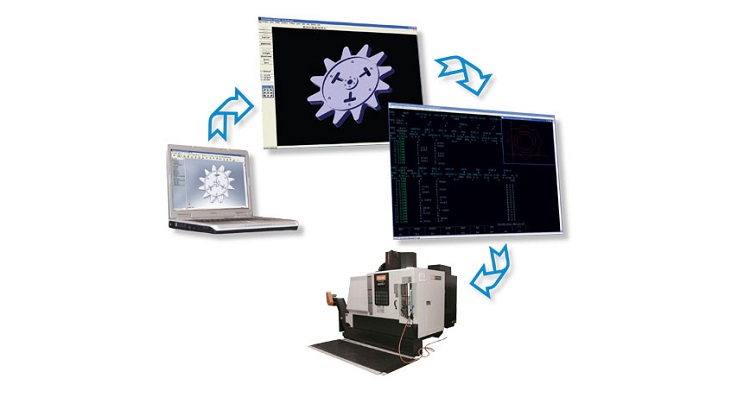
As digital transformation accelerates across industries, preserving cultural heritage is no longer limited to traditional archival methods. 3D scanning technology is revolutionizing heritage conservation by enabling museums, research institutions, and cultural organizations to capture the exact geometry, dimensions, and historical value of artifacts in digital form.
So, what is heritage digitization? How does the process work, and why are more organizations across Vietnam choosing 3DMaster as their trusted partner for cultural heritage preservation projects?
.png)
Heritage digitization is the process of converting historical artifacts, monuments, architectural structures, archaeological sites, and cultural spaces into digital assets using advanced technologies such as 3D scanning, high-resolution photography, digital modeling, and electronic data storage.
Through 3D scanning technology, artifacts can be accurately reconstructed with exceptional precision in terms of geometry, dimensions, colors, and surface textures. The result is a highly accurate digital replica that serves as a valuable resource for research, preservation, restoration, education, and cultural promotion.
For decades, cultural heritage preservation has primarily relied on physical conservation methods. While these approaches remain essential, they face several significant challenges:
3D technology is transforming the way cultural heritage is preserved by enabling institutions to safeguard historical assets more effectively in the digital era.
Beyond protecting original artifacts, it provides a solid foundation for documentation, restoration, academic research, digital exhibitions, and public engagement.
.png)
Creating an accurate digital representation of cultural heritage involves much more than simply scanning an object. To produce high-quality digital archives suitable for long-term preservation, the workflow includes multiple specialized technical stages.
Depending on the project's scale and the characteristics of the heritage asset, the digitization process generally consists of the following five steps.
Before any scanning begins, engineers conduct a comprehensive site survey to evaluate the heritage asset and determine the most appropriate digitization strategy.
Key activities include:
Depending on the required level of accuracy and the project's scale, specialists select the most suitable 3D digitization technology to ensure optimal data quality.
Typical solutions include:
This is the most critical stage of the entire workflow, as it directly determines the quality and accuracy of the final 3D model.
During this phase, engineers perform the following tasks:
After field data collection is completed, the raw scan data is processed using professional software to create a complete digital representation of the heritage asset.
The workflow generally includes:
The final deliverable is a highly accurate digital replica that faithfully reproduces the artifact's geometry, dimensions, appearance, and current condition.
Once the 3D model has been completed, it is standardized and prepared for various long-term applications.
Typical deliverables include:
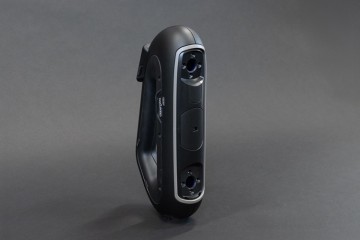
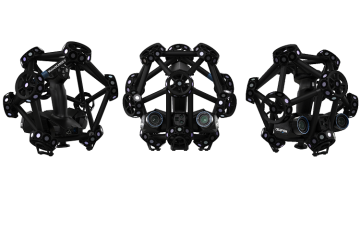
The adoption of 3D scanning technology goes far beyond preserving historical artifacts. It also creates new opportunities for research, restoration, education, exhibition, and cultural communication.
Major applications include:
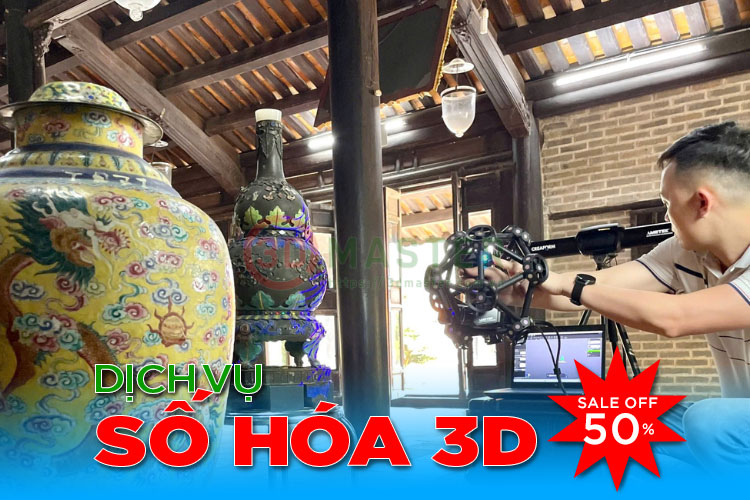
One of 3DMaster's most remarkable projects in the field of cultural and religious heritage preservation is the 3D digitization of the Our Lady of La Vang statue in Quảng Trị Province using GeoSLAM 3D scanning technology.
La Vang is not only one of Vietnam's most important Catholic pilgrimage destinations but also a site of significant historical, cultural, and architectural value.
As the statue is permanently exposed to outdoor weather conditions, it is vulnerable to gradual deterioration over time. By creating a highly accurate digital replica, the project provides a reliable foundation for long-term preservation and archival purposes.
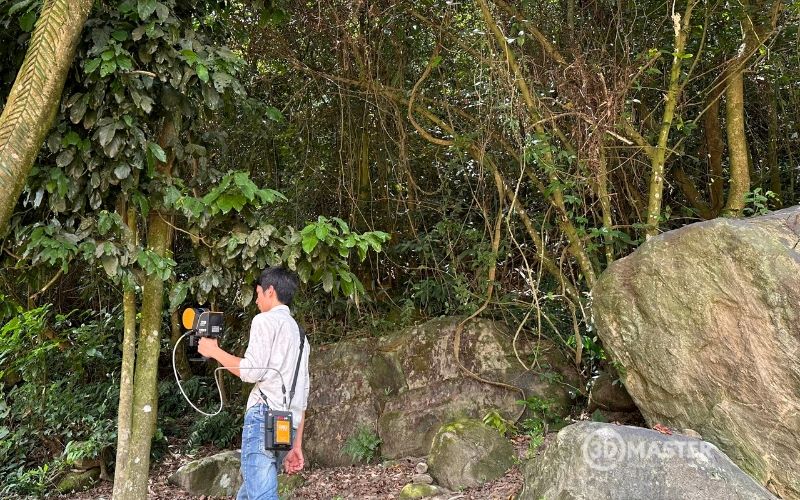
For this project, 3DMaster employed GeoSLAM, a mobile mapping solution based on SLAM (Simultaneous Localization and Mapping) technology, allowing the scanner to move freely while capturing spatial data in real time.
After data processing, the completed digital model can be exported in multiple formats, including STL, OBJ, and FBX, making it suitable for integration into Virtual Reality (VR), Augmented Reality (AR), and digital heritage management platforms.
.png)
Located in Đông Anh District, Hanoi, Cổ Loa Citadel is a historic complex with more than 2,000 years of history, preserving numerous invaluable artifacts from ancient Vietnamese civilization.
Among its most significant treasures are the intricately carved wooden worship gate and the pair of ancient stone dragons, both possessing exceptional historical, architectural, and artistic value.
To support future conservation and restoration efforts, 3DMaster launched a 3D digitization project to generate accurate digital models and vector data for these priceless cultural assets.
The project utilized FARO Creaform MetraSCAN 3D and HandySCAN 3D metrology-grade scanners, enabling highly accurate data acquisition without making physical contact with the original artifacts.
Engineers scanned each object from multiple perspectives to capture:
The final result was a highly detailed digital twin that faithfully reproduced every carving in both wood and stone, providing valuable reference data for future preservation, academic research, and restoration.
.jpg)
.jpg)
To preserve and promote historical artifacts, Huế Museum has gradually incorporated 3D scanning technology into its archival and exhibition activities.
Working together with 3DMaster, numerous valuable artifacts have been digitized using professional systems such as MetraSCAN 3D and HandySCAN 3D.
Through 3D scanning technology, every artifact is accurately reconstructed as digital data, preserving:
This digital preservation approach protects artifacts against aging while establishing an important foundation for future restoration and academic research.
Project Benefits
The Huế Museum project clearly demonstrates how digital transformation is reshaping cultural heritage preservation by bringing traditional historical values closer to modern audiences.
.jpg)
Recognized as a UNESCO World Natural Heritage Site, Hạ Long Bay is renowned for its spectacular cave systems, stalactites, and limestone formations.
To support heritage conservation and condition assessment, 3DMaster conducted a 3D scanning project at Hang Hầm Cave and several surrounding cave systems.
The project combined Creaform HandySCAN 3D with LiDAR technology to accurately capture the complete cave environment, including areas with:
A particularly impressive achievement was the digitization of Hang Hầm Cave, measuring approximately 52 × 27 × 18 meters.
The 3DMaster team completed:
Despite the rapid workflow, the resulting 3D model maintained outstanding geometric accuracy and exceptional detail.
.jpg)
To preserve the unique cultural heritage of the Southern Khmer community, 3DMaster carried out a 3D digitization project involving more than 60 Khmer artifacts using high-precision laser scanning technology.
The collection included:
For this project, 3DMaster utilized the MetraSCAN BLACK™|Elite, a metrology-grade 3D scanner capable of micron-level accuracy, together with a 24-megapixel color acquisition system. This combination enabled the complete capture of each artifact's:
The digitization workflow included site assessment, 3D scanning, point cloud processing, mesh reconstruction, and final model optimization.
Remarkably, the entire collection of more than 60 artifacts was converted into highly detailed digital assets in approximately 1–2 hours, significantly improving both preservation efficiency and long-term accessibility.
.png)
Once scanning and data processing are complete, every 3D model is classified, standardized, and stored within a centralized digital database to create a Virtual Museum.
This approach not only ensures long-term preservation but also makes valuable cultural artifacts accessible to researchers, educators, and the public worldwide.
Key components of the digital heritage management system include:
Standardizing 3D Data: Each model is exported in commonly used formats such as STL, OBJ, FBX, and PLY, ensuring compatibility with research, visualization, archiving, and exhibition platforms.
Building a Digital Heritage Library: All information—including geometry, dimensions, colors, metadata, and historical records—is systematically organized by historical period, artifact category, or geographic region for efficient retrieval and long-term management.
Creating a Virtual Museum Experience: Digitized artifacts are integrated into online platforms, allowing visitors to explore collections remotely using computers, tablets, or mobile devices.
Enhancing Visitor Interaction: Unlike traditional museum displays, virtual visitors can:
Integrating VR and AR Technologies: The digital archive can be seamlessly connected to Virtual Reality (VR) and Augmented Reality (AR) applications, creating immersive educational and cultural experiences for audiences of all ages.
Long-Term Digital Preservation: A centralized digital repository minimizes the risk of information loss while providing reliable reference data for future restoration, research, and heritage conservation initiatives.
.jpg)
With extensive experience in heritage digitization, museum preservation, and cultural documentation projects throughout Vietnam, 3DMaster has become a trusted technology partner for government agencies, museums, research institutions, and cultural organizations.
More Than 10 Years of Experience: A pioneer in delivering professional 3D scanning, metrology, and digital transformation solutions across industrial, educational, and cultural sectors.
Advanced International-Standard Equipment: 3DMaster operates genuine metrology-grade FARO Creaform 3D scanners together with professional software for advanced data acquisition and processing.
Capability to Execute Large-Scale Projects: The company is equipped to manage multiple heritage digitization projects simultaneously across Vietnam while maintaining consistent quality and accuracy.
Experienced Engineering Team: Highly trained specialists possess in-depth expertise in 3D scanning technology, digital reconstruction, and complex data processing workflows.
Professional End-to-End Workflow: Every project follows a rigorous process—from site survey and data acquisition to model processing, quality verification, and final delivery.
Beyond 3D scanning, 3DMaster supports:
As digital transformation continues to reshape cultural preservation, 3D scanning technology has become an essential tool for safeguarding historical and cultural heritage in a sustainable and accessible way.
By creating highly accurate digital replicas, heritage digitization supports conservation, restoration, research, education, and public engagement while opening new opportunities for virtual museums and immersive cultural experiences.
With a proven track record across numerous projects throughout Vietnam and a comprehensive portfolio of internationally recognized 3D scanning technologies, 3DMaster is proud to help museums, cultural organizations, and heritage institutions preserve invaluable historical assets for future generations.
Contact 3DMaster
Website: https://3dmaster.com.vn
Hotline/Zalo/LINE/Telegram/WhatsApp/Viber/Kakaotalk: +84 982 089 198 | 0986333960
Email: cuong3dmaster@gmail.com | hung3dmaster@gmail.com | tech3dmaster@gmail.com
[3DMASTER] INSPECTION | QUALITY CONTROL | METROLOGY | 3D SCANNER | 3D SCANNING | 3D PRINTER | 3D PRINTING