Automotive parts manufacturing technology continues to evolve to meet the demand for shorter production cycles, optimized costs, and improved product quality. Alongside traditional manufacturing methods, 3D printing technology is opening up new possibilities by producing components directly from digital design data without requiring molds in many applications. Depending on the type of component, material, and manufacturing process, 3D printing can significantly shorten production lead times while reducing production preparation costs. So, how does this technology work, and when should businesses adopt it to achieve optimal results?
.jpg)
Today, automotive parts manufacturing technology encompasses various methods, including CNC machining, metal casting, plastic injection molding, metal stamping, and other mechanical manufacturing techniques.
Each method is suited to specific materials, component geometries, and production volumes. However, for low-volume parts, complex designs, or urgent production requirements, preparation processes and upfront investment costs can become significant barriers.
High mold and tooling costs: Plastic injection molding, casting, and metal stamping typically require specialized molds, increasing initial investment costs.
Extended preparation time: Mold manufacturing, workpiece preparation, machine programming, and mold modifications can delay production schedules.
Material waste: CNC machining removes excess material from a workpiece, resulting in material waste depending on component geometry and the machining strategy.
High costs for low-volume production: Design, fixturing, and production preparation costs must be spread across a small number of parts, increasing the cost per component.
Difficulty sourcing legacy spare parts: Some components have been discontinued and no longer have available molds, technical drawings, or suitable suppliers.
For low-volume components, prototypes, or urgent replacement requirements, traditional processes can make preparation costs and waiting times disproportionately high compared with the actual value of the component.
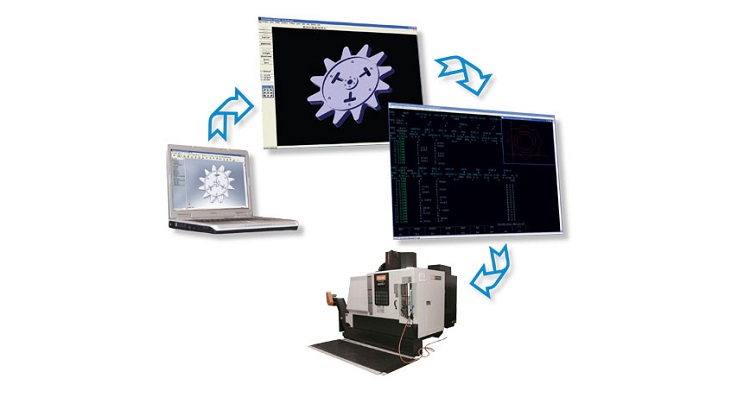
3D printing, also known as additive manufacturing, produces components by building material layer by layer based on 3D design data. Instead of manufacturing a mold for each product design, businesses can move directly from a CAD model to print preparation and component production.
With plastic injection molding or metal casting, businesses typically need to design, manufacture, and test molds before production can begin. This process can take considerable time, especially when components have complex geometries or molds require multiple adjustments.
In contrast, 3D printing can produce certain automotive parts directly from CAD data without dedicated forming molds. This shortens the preparation stage, particularly for prototypes, customized components, and low-volume products.
However, 3D printing may still require fixtures, support structures, auxiliary equipment, or molds for certain operations. Businesses should evaluate the entire workflow to determine the actual savings achievable.
With traditional processes, after completing a drawing, businesses may need to wait for workpiece machining, tooling preparation, or mold manufacturing before producing the first prototype.
3D printing shortens the gap between design and physical production by converting digital data directly into a physical component.
The basic workflow is: CAD Design → Print Data Preparation → 3D Printing → Post-Processing → Inspection.
Once a prototype is available, engineers can evaluate its shape, dimensions, assembly compatibility, and other relevant characteristics before making any necessary design adjustments. This accelerates automotive component development, reduces waiting time between testing cycles, and enables businesses to evaluate design alternatives sooner.
During automotive component development, engineers may need to change bolt-hole positions, wall thickness, reinforcing rib geometry, or mating dimensions.
With mold-dependent manufacturing methods, these changes may require mold modifications or entirely new molds.
With 3D printing applications, businesses typically only need to update the CAD model, regenerate the print data, and produce the next version. This reduces waiting time, adjustment costs, and the risks associated with testing multiple design alternatives.
This is particularly advantageous for components with complex structures or parts customized for specific vehicle models, as software-based design modifications make the manufacturing process more flexible.
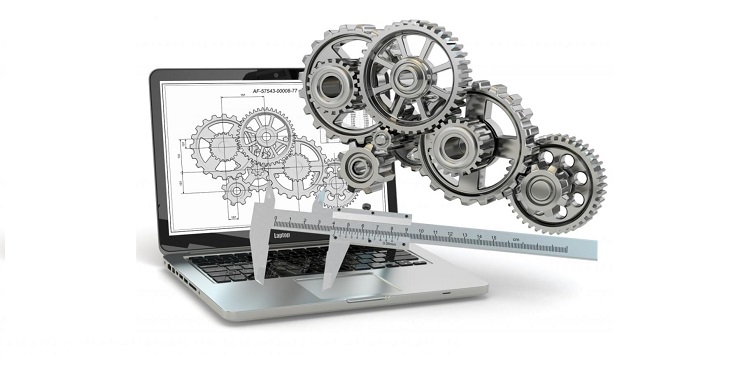
For older vehicles or components without available technical drawings, businesses can combine 3D scanning, reverse engineering, and 3D printing to reproduce parts.
Instead of reconstructing the entire component manually from scratch, scan data provides the initial geometric information engineers need to process and develop a CAD model.
The typical workflow is: Sample Component → 3D Scanning → Data Processing → Reverse Engineering → 3D Printing → Inspection and Trial Fitting.
This method can shorten dimensional data collection and modeling time, particularly for components with numerous curved surfaces or complex geometries.
However, scan data does not automatically become a complete CAD drawing. Engineers must still address deviations, identify functional dimensions, and add specifications that cannot be directly inferred from the external geometry.
.jpg)
Beyond saving time, modern automotive parts manufacturing technology using 3D printing can deliver economic benefits by optimizing operating expenses and material usage:
Eliminating the need for dedicated molds for every part design: Removes the substantial upfront costs of manufacturing casting or stamping molds, reducing initial capital investment requirements.
Reducing inventory costs: Adopts an on-demand manufacturing model. Businesses store digital design files and print components when orders arrive, reducing warehouse space requirements and the capital tied up in spare-part inventory.
Reducing material waste in certain applications: 3D printing can use material more efficiently by depositing material only where needed to build the component, depending on the process and part design.
Reducing design modification costs: Producing revised designs can avoid additional mold, fixture, and cutting-tool costs when the changes do not require new tooling.
Despite its considerable advantages, selecting 3D printing for automotive parts manufacturing requires a flexible approach based on specific requirements and production volumes:
Body kit prototyping: Evaluate styling, perform fit checks, and verify component functionality before finalizing the design.
Low-volume spare parts: Components for racing cars, specialized vehicles, luxury vehicles, or customized cars, with production volumes ranging from a few units to several hundred.
Customized automotive component manufacturing: Personalized interior and exterior components tailored to individual customer requirements.
Legacy vehicle spare parts: Manufacture replacement components for classic vehicles whose original equipment manufacturers (OEMs) have discontinued support.
Hard-to-source spare parts: Components affected by supply chain disruptions or excessively long import lead times.
Frequently modified automotive accessories: Products undergoing rapid technical upgrades, improvements, or design iterations.
Note for high-volume production: For hundreds of thousands of standardized components, traditional stamping or casting generally retains a cost-per-unit advantage.


A standardized 3D printing workflow for automotive parts manufacturing helps achieve the required dimensional accuracy and operational durability:
Step 1: Assess the component and technical requirements: Identify the component's operating conditions, including temperature, load-bearing requirements, impact exposure, and chemical contact, to establish the necessary technical specifications.
Step 2: Perform 3D scanning or obtain CAD files: Capture the actual component geometry as scan data or use existing CAD drawings.
Step 3: Reconstruct and modify the 3D model: Use reverse engineering to rebuild an accurate CAD file and correct deviations caused by wear.
Step 4: Select the material and printing technology: Choose an appropriate process, such as FDM, SLA, SLS, or SLM/DMLS, along with a suitable material.
Step 5: Optimize the design for additive manufacturing (DfAM): Apply structural optimization to reduce weight while maintaining the required mechanical strength.
Step 6: Perform 3D printing: Configure printing parameters, including layer height, infill density, and build orientation, before producing the component.
Step 7: Post-process the component: Remove support structures and finish the surface through heat treatment, abrasive blasting, grinding, painting, or plating, as required.
Step 8: Inspect dimensions and perform trial fitting: Verify dimensions using a coordinate measuring machine (CMM) or 3D scanner, then conduct practical fit and functional tests on the vehicle.
.png)
Do you need to manufacture automotive parts quickly, produce small batches of components, or reproduce hard-to-find spare parts? Contact 3D Master to discuss 3D scanning, design, and 3D printing solutions tailored to your requirements.
As a provider of 3D technology solutions in Vietnam, 3D Master offers integrated services for automotive parts manufacturing, helping businesses, garages, and vehicle customization workshops address complex engineering challenges:
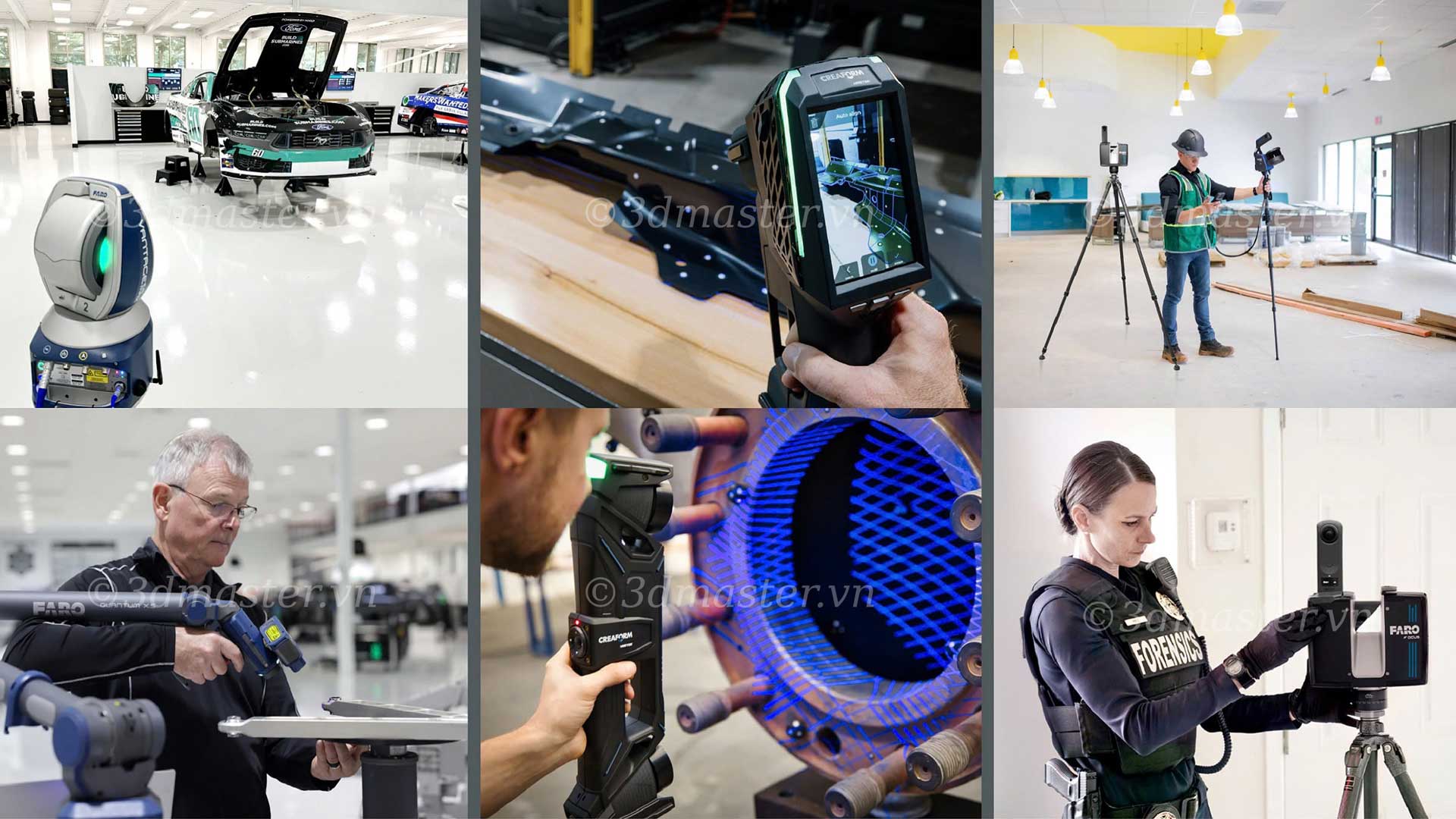
Advanced equipment: Equipped with high-accuracy Faro Creaform 3D scanning systems and a range of 3D printing technologies, including engineering plastics, reinforced carbon-fiber composites, and direct metal 3D printing.
Experienced engineering team: Specialized expertise in reverse engineering, structural optimization through finite element analysis (FEA), and manufacturing programming.
Time and cost optimization: Supports efforts to shorten component manufacturing cycles by up to 80%, delivering dimensionally accurate parts with optimized costs.
Flexible solutions: Provides support from initial assessment and scanning to design and finished component manufacturing, tailored to the requirements of individual vehicle models.
Instead of investing in all the equipment and personnel in-house, businesses can consider outsourcing these services based on their actual needs.
In summary, advances in 3D printing for automotive parts manufacturing help businesses address production lead-time and cost challenges while creating new opportunities for flexible customization in the automotive supply industry.
Contact 3D Master:
Hotline / Zalo / Telegram / WhatsApp / LINE / Viber / KakaoTalk: +84 982 089 198 | 0986333960
Email: cuong3dmaster@gmail.com | hung3dmaster@gmail.com | tech3dmaster@gmail.com
Website: https://3dmaster.com.vn