Applications of Reverse Engineering in Localizing Mechanical and Automotive Parts Production in Vietnam
Applications of Reverse Engineering in Localizing Mechanical and Automotive Parts Production in Vietnam
Posted Date: 29-11-2026
Applications of Reverse Engineering in Localizing Mechanical and Automotive Parts Production in Vietnam
When an imported spare part takes weeks to arrive or has been discontinued, can companies manufacture a replacement in Vietnam? Reverse engineering helps reconstruct a CAD model from a physical sample. This gives local workshops the data they need to assess machining feasibility and verify critical mating dimensions. This article explains the challenges of localizing spare parts production, the workflow from 3D scanning to deviation analysis, and its applications for mechanical and automotive components.
1. Challenges in Localizing Mechanical and Automotive Parts Production in Vietnam
Localizing mechanical and automotive parts production means shifting some or all of the manufacturing work to the domestic supply chain.
For a factory, this may start with finding a local workshop to make a component that needs frequent replacement. For an automaker, the goal may be to develop domestic sources for a group of components that need to be produced in batches.
Strengthening domestic capacity to manufacture components and spare parts is also an objective of the Supporting Industry Development Program for 2026–2035.
However, companies typically face three challenges when they begin looking for a local workshop that can meet their technical requirements.
Dependence on imported components: When an imported component fails, a factory may have to wait three to six weeks for a replacement, severely disrupting production.
High costs from sole-source suppliers: Genuine spare parts often come with substantial markups that put pressure on company budgets.
Discrepancies in original design data: Old paper drawings may be missing, faded, or torn. They may also differ from the physical part due to wear or previous repairs.
Reverse engineering supports the localization of mechanical and automotive parts production
2. What Is Reverse Engineering? How Does It Support the Localization of Mechanical and Automotive Parts Production?
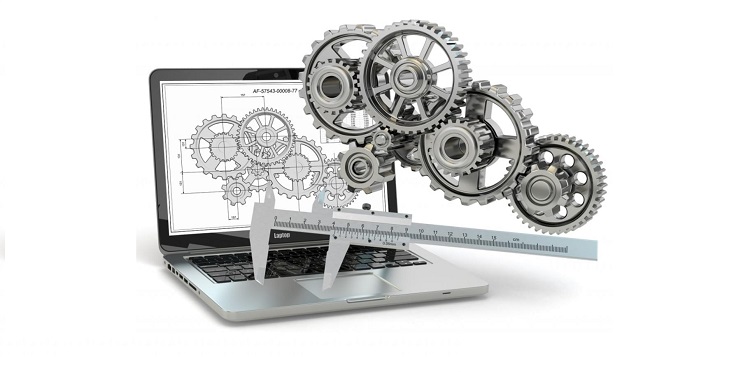
Reverse engineering is the process of measuring and analyzing an existing part to reconstruct its CAD model. Engineers can combine 3D scanning with direct measurement to determine its shape, dimensions, and critical mating features.
When original drawings are unavailable, a CAD model turns a physical sample into technical data that a local workshop can use to assess manufacturing feasibility.
Capturing complex geometry: Digitization quickly captures the geometry of complex parts such as gears and stamping dies.
Reconstructing old and worn components: Specialized software allows engineers to adjust the model, compensate for wear, and reconstruct the original geometry before production.
Reducing research and development time: Companies can use the reconstructed data as a starting point for product improvements and save the time required to redraw the part from scratch.
Helping workshops quote and produce prototypes. The CAD model shows the part geometry. Manufacturing drawings add dimensions, tolerances, and agreed technical requirements.
Creating technical documentation for future orders. Once the prototype meets requirements, companies can reuse the approved drawings to order batch production or work with another supplier.
3. A Standard Four-Step Reverse Engineering Workflow for Mechanical Parts
Turning a physical sample into a manufacturing drawing requires accuracy at every stage. The standard reverse engineering workflow consists of four steps:
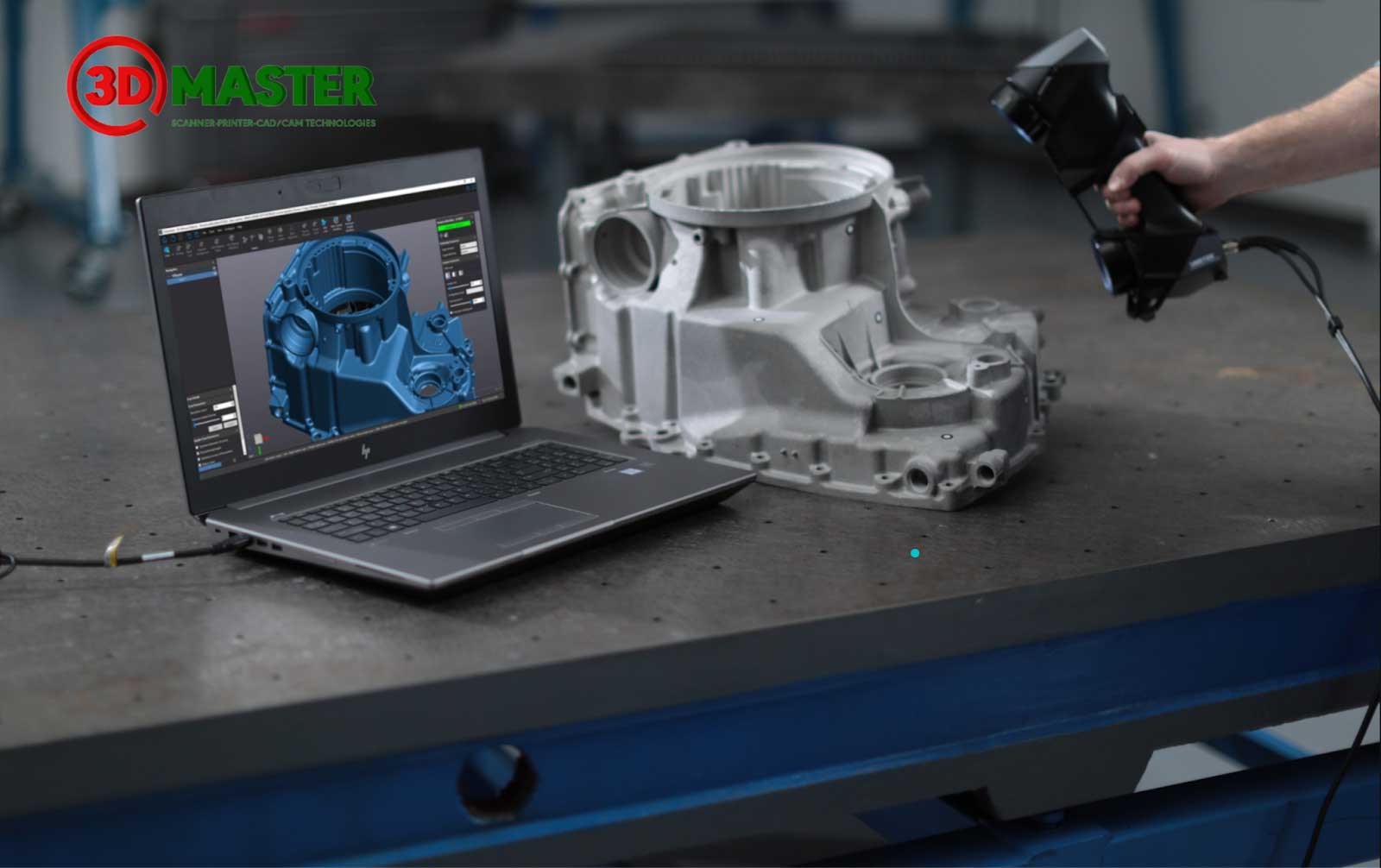
- Step 1: Optically 3D scan the sample: Engineers use a blue-light or laser 3D scanner to project light onto the surface of the object.
The scanner captures millions of points in three-dimensional space to create a point cloud, with scanning accuracy as fine as 0.02 mm (20 micrometers).
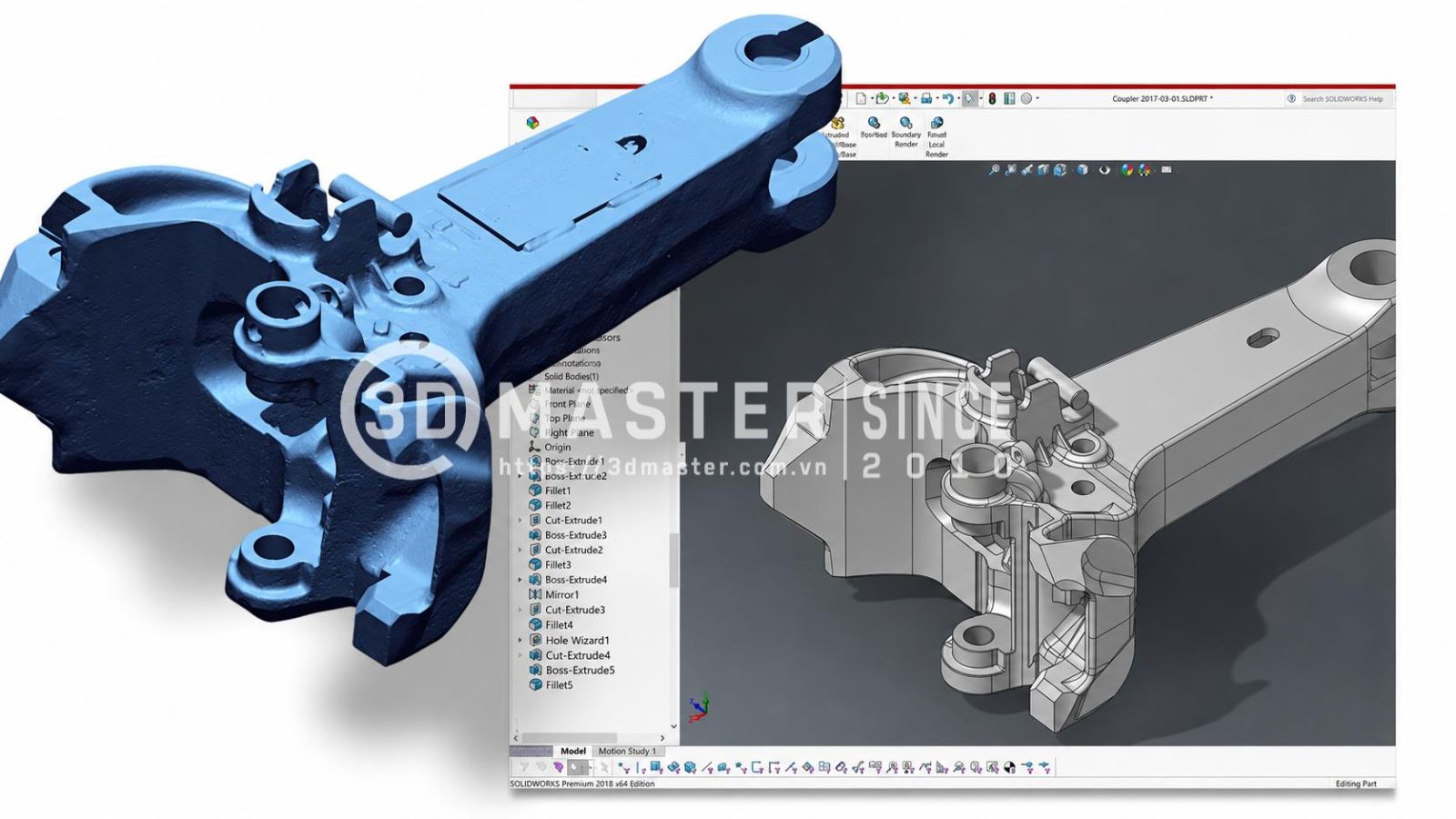
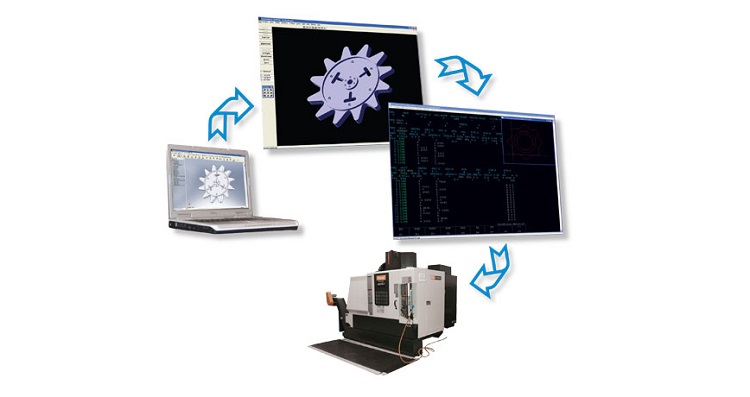
- Step 2: Process the mesh data: The point cloud is imported into software and converted into a polygon mesh, typically in STL format.
Engineers remove noise, fill gaps in the surface, and optimize the mesh file before CAD modeling.
- Step 3: Build a parametric CAD model: Engineers use specialized software to reconstruct a parametric CAD model from the mesh file.
The model can be exported in a standard format such as STEP or IGES. The native parametric CAD file retains the design history tree so engineers can easily edit dimensions.
- Step 4: Check for deviations: The completed CAD model is compared directly with the original scan mesh in inspection software.
The software generates a color map that shows deviations so engineers can check whether the model meets the specified tolerances before machining.
Reconstructing hard-to-source spare parts to assess local manufacturing feasibility
4. Practical Applications in Mechanical Manufacturing and the Automotive Industry
Digitization and reverse engineering are widely used in manufacturing workshops and large factories across Vietnam:
Recreating damaged machine components: Quickly reconstruct crankshafts, reduction gearbox gears, and lead screws when the original drawings are unavailable or the manufacturer has discontinued the parts.
Manufacturing and repairing molds and dies: Digitize worn deep-drawing dies and automotive injection molds, or capture mold cavities that need to be modified to improve plastic flow.
Localizing automotive and motorcycle parts production: Scan and reverse engineer underbody components, exhaust systems, and engine mounts, or produce custom body kit parts for specific vehicles.
Designing inspection fixtures: Build dedicated fixtures that match the contours of actual components for quality assurance and quality control (QA/QC) in mass production.
Upgrading and improving products: Analyze the geometry of an existing sample to optimize weight, strengthen the design, or incorporate technical improvements before mass production.
Digitizing technical archives: Convert physical mechanical samples into a secure digital 3D CAD database to eliminate the risk of losing access to the archive if physical samples are lost.
5. 3D Master – A Full-Service Reverse Engineering Partner for Businesses
3D Master is a pioneer in providing comprehensive industrial 3D technology solutions in Vietnam.
With an experienced team of mechanical engineers, 3D Master offers a range of services, equipment, and software:
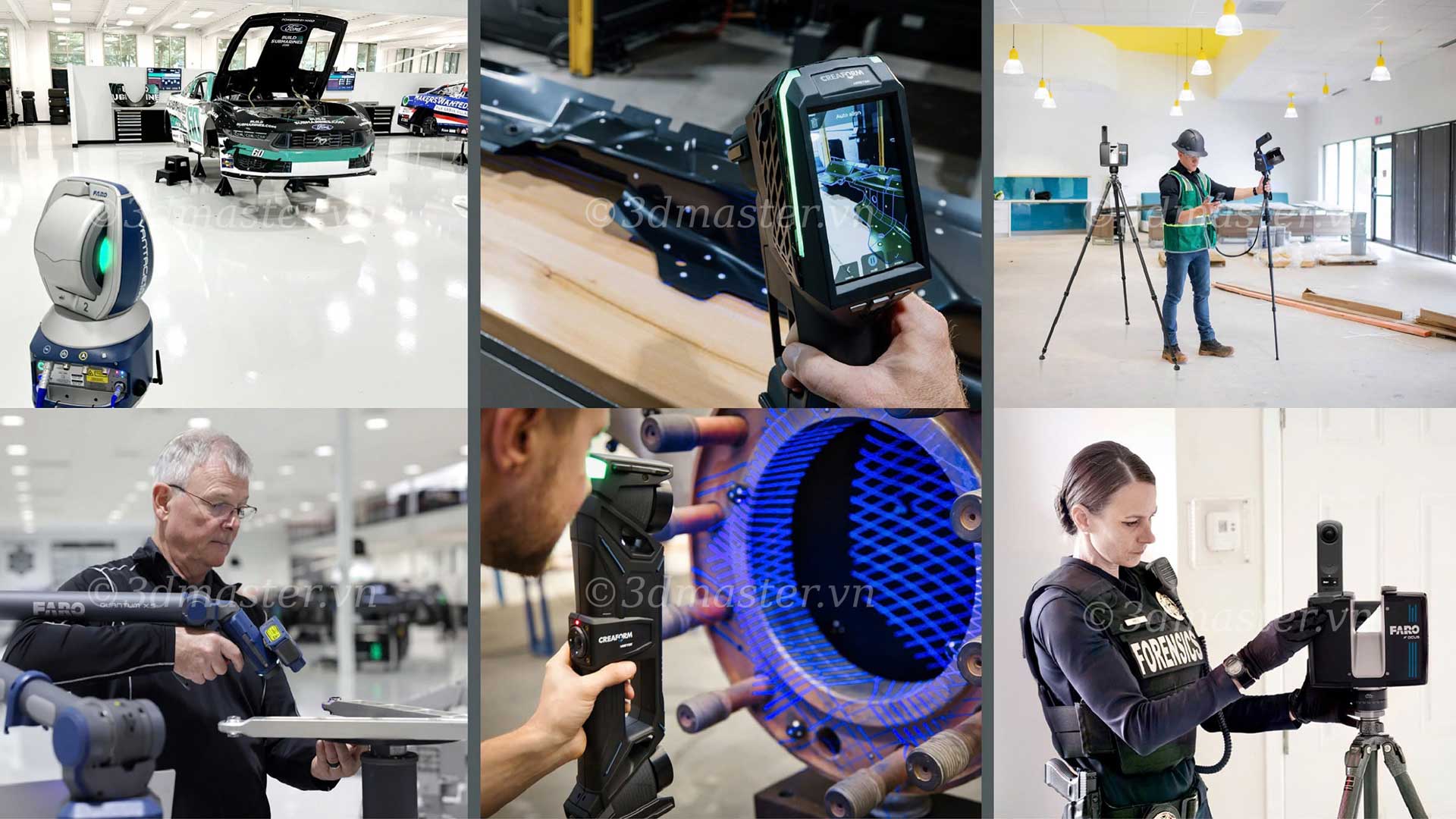
High-end hardware: 3D Master supplies high-accuracy industrial 3D scanners from leading global brands such as FARO and Creaform. The equipment covers applications ranging from small components to large surfaces.
Specialized software licenses: 3D Master supplies reverse engineering software such as Geomagic Design X to help automate the conversion of mesh data into CAD models.
End-to-end 3D scanning and reverse engineering services: 3D Master provides on-site measurement and delivers completed CAD files, helping companies reduce upfront equipment costs.
Experienced engineering team: Its engineers have in-depth expertise in mechanical manufacturing and are skilled in using advanced reverse engineering software.
Strict confidentiality: 3D Master signs nondisclosure agreements (NDAs) to safeguard clients’ intellectual property and proprietary technical data.
Reverse engineering helps Vietnamese companies reduce dependence on foreign suppliers and gain control over spare parts production. Accurate 3D digitization can reduce investment costs and significantly shorten time to market.