3D Technology Enables Fast and Cost-Effective Production and Repair of Agricultural Drones
3D Technology Enables Fast and Cost-Effective Production and Repair of Agricultural Drones
Posted Date: 25-08-2026
3D Technology Enables Fast and Cost-Effective Production and Repair of Agricultural Drones
Agricultural drones are increasingly being widely applied in pesticide spraying, seeding, fertilizing, and crop monitoring. However, continuous operation can cause many components to break down or require improvements. When CAD drawings are no longer available, 3D scanning, reverse engineering, 3D printing, and 3D inspection help businesses quickly digitize, recreate, and inspect components. This approach significantly shortens development time and reduces manufacturing costs.
Agricultural drones support modern farming and optimize yield.
1. What is a Drone? Common Types of Drones in Agriculture
A drone is an unmanned aerial vehicle (UAV) that can be remotely controlled or operated autonomously according to programmed flight paths. In agriculture, drones integrate cameras, sensors, and payload delivery systems to collect data or directly impact crops.
Currently, common types of agricultural drones in crop production include:
Pesticide spraying drones: Devices integrated with chemical tanks and fogging nozzles. They help evenly distribute chemicals, saving 30% of pesticides and reducing 90% of water usage compared to manual methods.
Crop watering drones: Devices equipped with high-pressure nozzles or granular water distribution systems. Suitable for watering large areas or steep terrain.
Seeding and fertilizing drones: Devices equipped with high-capacity rotating spreading discs. They evenly spread seeds and granular fertilizers at speeds dozens of times faster than manual labor.
Crop monitoring drones: Devices integrated with multispectral sensors and RGB cameras. They collect crop health data, detect pests and diseases, and measure Leaf Area Index (LAI).
Common agricultural drone lines in farming.
2. What Problems Do Agricultural Drones Commonly Face After Extended Use?
Agricultural drones usually have to operate in environments with dust, water, chemicals, vibration, and a high risk of falls and collisions.
After long periods of operation under such conditions, agricultural drones frequently develop hardware damage and encounter several issues:
Component damage due to collisions and operation: Protective shells, propellers, landing gear, or joints easily crack or break due to collisions with crops or continuous vibration.
Components requiring replacement are unavailable: Manufacturers stop supplying spare parts for older models. Waiting time for imported components is prolonged, causing crop season disruptions.
Physical component available but CAD drawing lost: Businesses possess damaged hardware but lack technical design documentation to feed into CNC machining tools.
Need for design improvements or modifications: The original design is not optimized for actual local terrain or crop types. Structural modifications are required to increase durability or reduce weight.
Need for rapid prototyping before production: The cost of opening plastic injection molds or mass mechanical machining is high. Rapid trial assembly is required to avoid failure risks.
3. 3D Technology Enables Cost-Effective Production and Repair of Agricultural Drones
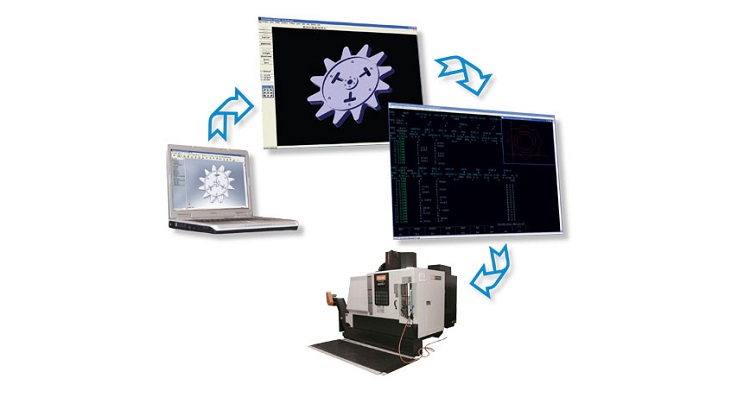
Instead of manually measuring each dimension, businesses can build a digitized workflow from physical components to CAD, prototypes, and product inspection—optimizing time and minimizing costs.
3.1 3D Scanning Enables Fast Digitization of Drone Components
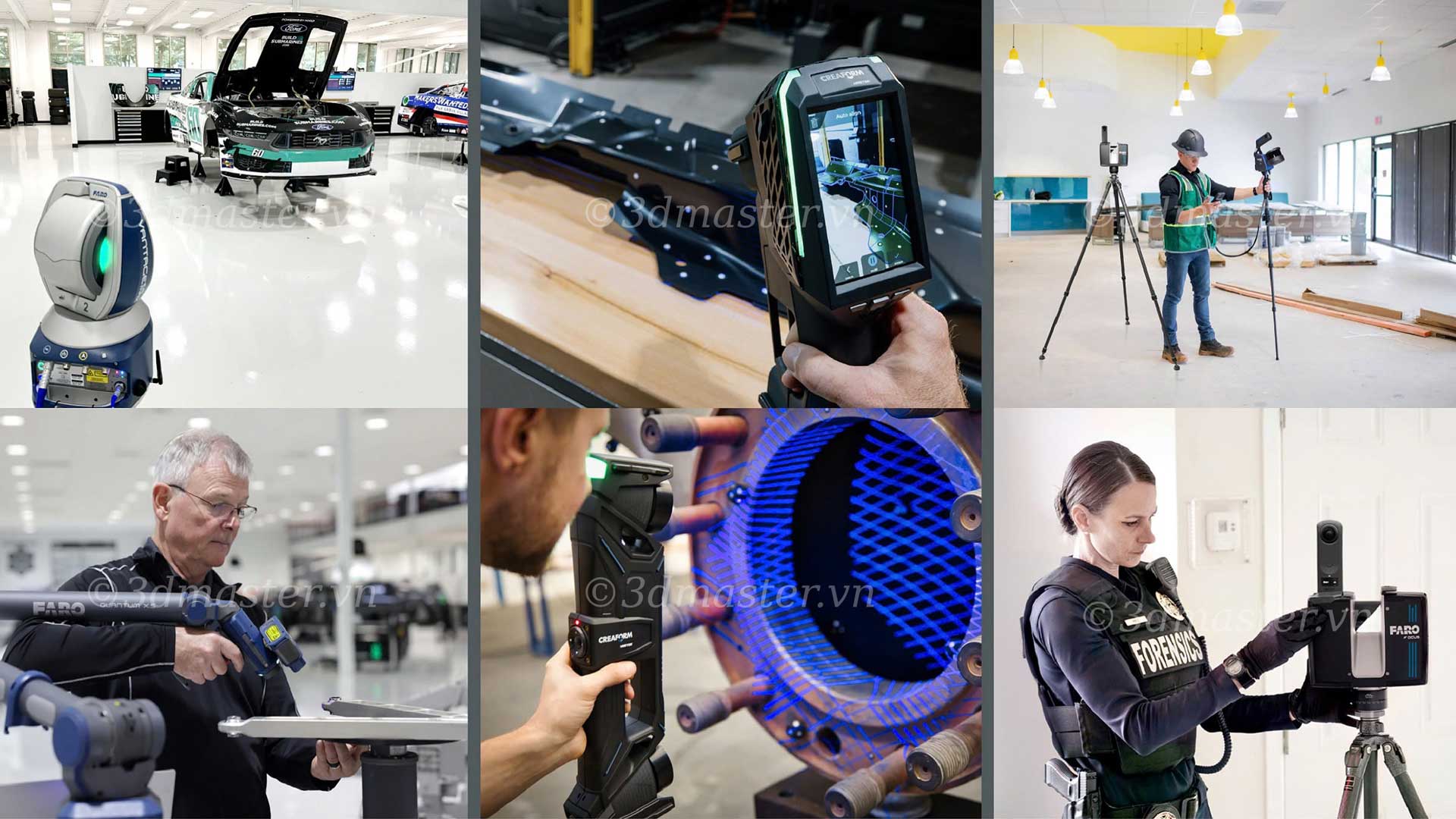
3D scanning is a technology that uses scanning devices to capture the physical shape and dimensions of actual parts, subsequently converting them into 3D data such as point clouds or meshes.
This is the first step to recreate, reverse-engineer, or inspect a detail when CAD drawings are missing. Specifically, 3D scanning applications in this field include:
Digitizing components and capturing surface data for all mechanical drone parts.
Using scanned data as a foundation to reconstruct CAD models when original drawings are missing.
Comparing physical geometry with CAD to detect deformation, wear, or deviations.
Providing input data for 3D printing, CNC machining, or manufacturing new parts.
Evaluating whether components return to their accurate shape and dimensions after restoration.
Compared to manual measurement, 3D scanning provides a non-contact solution that captures precise data without causing deformation to thin or flexible plastic parts.
Furthermore, the digitization speed is extremely fast; scanning the entire complex profile of a drone shell or propeller takes only 5 to 15 minutes, eliminating human error with high accuracy. As a result, it maximizes cost savings and reduces measurement time by up to 80% compared to manual methods.
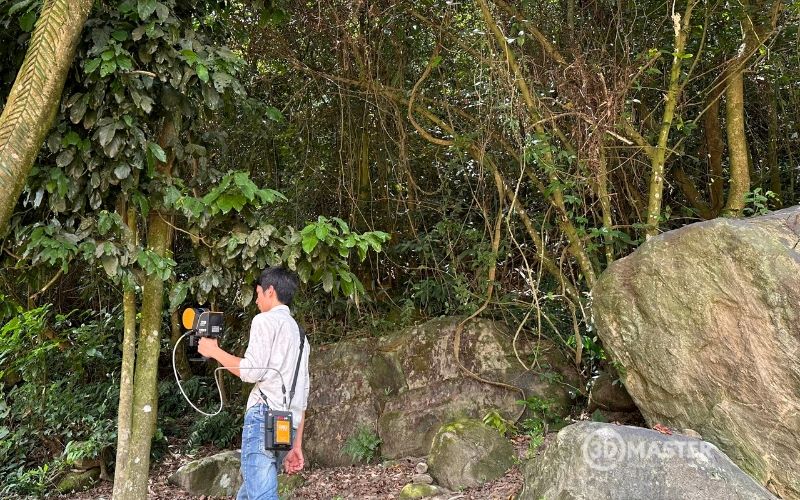
3D scanning captures accurate drone component data.
3.2 Reverse Engineering Helps Reconstruct CAD from Old Components
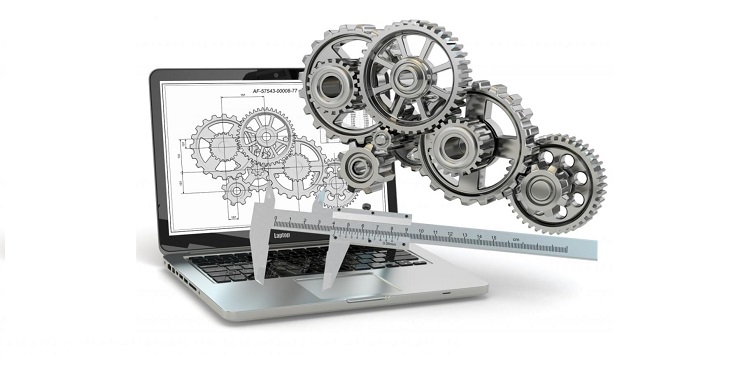
Reverse engineering is the process of converting point cloud data obtained from 3D scanning into a complete parametric CAD model.
For agricultural drones, this method is particularly useful when parts are damaged, discontinued, or lack original technical drawings.
Accurate drawing reconstruction: Rebuild technical-grade 3D files from worn, broken, or incomplete parts.
Structural optimization: Easily adjust thickness, add stiffening ribs, or modify screw hole positions directly within CAD software.
Machining readiness: Export standard files (STEP, IGES) ready for immediate use in 3D printers or CNC machines.
In addition to saving engineering time, reverse engineering reduces costs related to design, trial fabrication, and purchasing proprietary components.
Therefore, as long as a sample part retains its basic geometry, businesses can restore design data without needing original drawings.
3.3 3D Printing Enables Rapid Prototyping of Drone Components
Once a CAD model is available, 3D printing is the process of creating a physical object by adding material layer by layer based on 3D design data.
Unlike subtractive machining or injection molding, 3D printing requires no tooling molds and can produce prototypes directly from CAD files. This is an ideal solution for design verification, small-batch component production, and shortening product development cycles.
Instant manufacturing: Fabricate replacement parts within hours without incurring mold-making expenses and lead times.
Diverse materials: Utilize high-strength plastics such as ABS, PETG, and Carbon Fiber (CF) Reinforced Nylon to make parts lightweight and ultra-durable.
Low-cost prototyping: Rapid prototyping costs are up to 70% lower than traditional single-piece machining.
Material considerations: Not all components are suitable for 3D printing; high-load, heat-intensive, or high-vibration parts require carefully selected materials and production technologies.
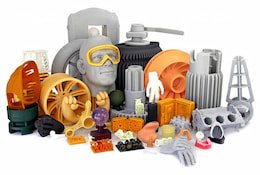
3D printing rapidly produces drone parts using high-strength plastic.
3.4 3D Inspection Confirms Components Post-Repair or Production
3D inspection is the process of using 3D scanners, 3D CMM machines, and specialized software to verify dimensions, geometry, placement, and precision of components against technical drawings or CAD models.
This process evaluates whether repaired or newly produced parts meet exact geometric, dimensional, and technical requirements. It also ensures interchangeability, minimizes deviations, and reduces failure risks during agricultural drone operation.
Consequently, it helps businesses minimize time and costs spent on inspection, re-repair, re-assembly, and handling incidents caused by non-compliant parts.
4. Which Agricultural Drone Parts Can 3D Technology Be Applied To?
Almost all hardware structures of agricultural drones can be restored or newly manufactured using 3D technology:
Frame and arms: Scan to inspect deformation after collisions or for restoration.
Protective shell: 3D scan to recreate geometry and print replacement covers, caps, or protective guards.
Landing gear: Inspect bending, assembly position, and dimensions post-collision.
Motor mounts: Reverse engineer or inspect hole locations, mounting surfaces, and concentricity.
Tank assembly: Digitize shell shapes, brackets, and connecting hardware.
Pump and nozzle assembly: Inspect mounting positions, connection dimensions, and holding fixtures.
Propellers: Strictly control accuracy and balance.
Battery lid and bay: Redesign shapes, locking positions, and attachment points.
Camera and sensor mounts: Reverse engineer to adjust positions or fabricate new custom mounts.
Small plastic parts: 3D scan and 3D print quickly for prototyping or replacement when material and mechanical requirements are met.
5. 3D Master's Support Services for Agricultural Drone Production and Repair Using 3D Technology
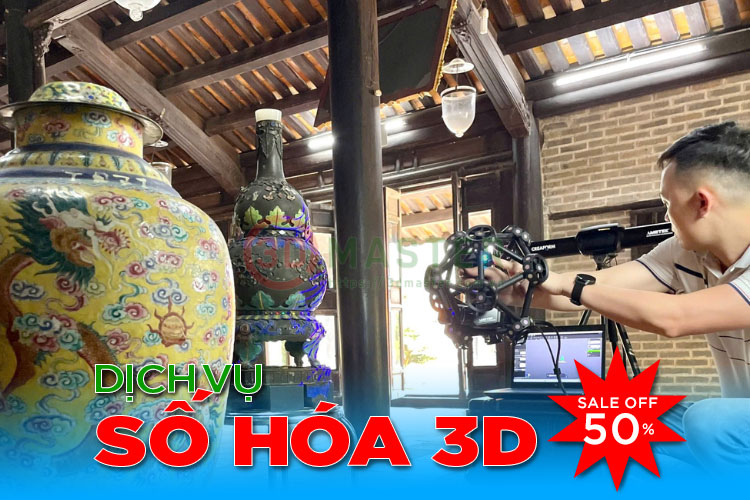
3D MASTER provides comprehensive advanced 3D technology solutions, helping businesses optimize maintenance, production, and repair workflows for unmanned aerial vehicles.
The company is proud to be an official distributor of Faro and Creaform for over 10 years in Vietnam, ready to advise on industrial 3D scanning and inspection solutions.
Modern measurement equipment: Utilizing high-precision Faro and Creaform 3D scanners to ensure sharp, detailed digitized data.
End-to-end service: Offering complete workflows from 3D scanning, CAD reverse engineering, rapid 3D printing prototypes, to final quality inspection.
Expert engineering team: Experienced technical staff capable of accurately solving complex structural problems for agricultural drones.
Business cost optimization: Committed to delivering high-quality component replacement solutions at competitive market prices.
Absolute confidentiality: Strict Non-Disclosure Agreements (NDA) guaranteed, ensuring 100% security for CAD drawings and proprietary design data.
In summary, 3D technology significantly shortens the production and repair lifecycle of unmanned aerial vehicles. For agricultural drones, this solution is exceptionally valuable when components are damaged, drawings are missing, or rapid improvements are needed. Digitizing data also establishes a solid foundation for businesses to proactively repair and develop replacement parts.
>>> Contact 3D Master for consultation on 3D scanning services for drone troubleshooting at preferential rates!
.jpg)
.jpg)
.jpg)
.jpg)