3D scanning technology is transforming the metal casting industry by improving quality control, increasing measurement accuracy, and shortening inspection time. Modern 3D scanning systems help businesses optimize production processes and reduce manufacturing errors.
The metal casting industry is undergoing significant changes due to the increasing demands for detail accuracy and speed of quality control in industrial production.
Modern cast components have much more complex shapes than before. This makes traditional measurement methods such as calipers, dial gauges, or CMMs limited when inspecting the entire product surface.
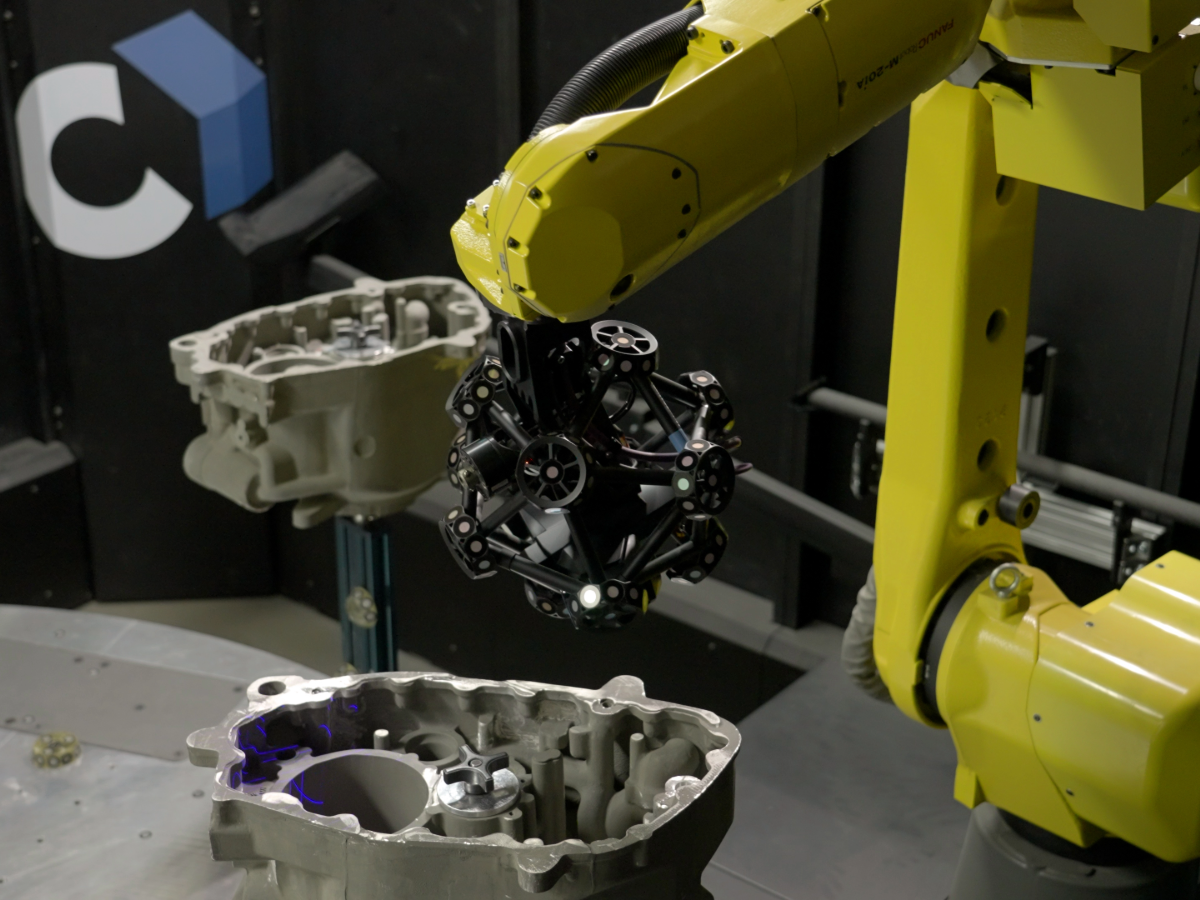
3D scanning technology has become a crucial solution for manufacturers to improve quality control and ensure product accuracy. Handheld laser scanners combined with modern 3D measurement software enable fast, comprehensive, and highly accurate data collection.
Limitations of Traditional Measurement Methods
In casting production environments, measuring large or complex-shaped parts is always a challenge.
Traditional measurement methods often require multiple setup steps, are time-consuming, and cannot inspect the entire surface of the part. This makes detecting geometric deviations difficult.
In contrast, 3D scanning technology allows scanning the entire surface of a part in a short time and displaying the results for visual comparison as a color map. This allows engineers to quickly detect deviations from the CAD model and make timely adjustments.
Furthermore, 3D measurement data also helps improve coordination between engineering departments, from design and production to quality control.
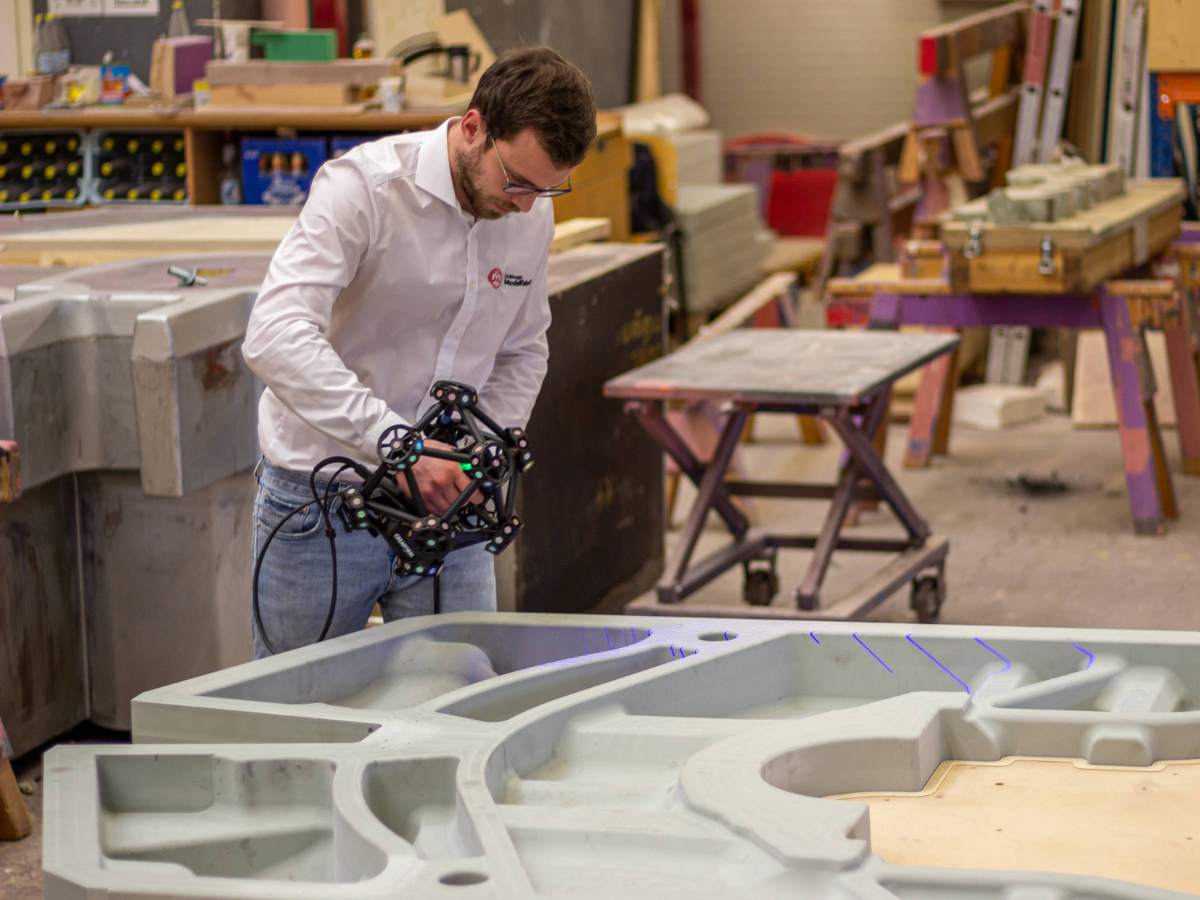
3D scanning technology can be used in many stages of the casting production process.
During mold inspection, engineers can scan the entire mold surface to ensure accurate dimensions before production. When deviations are detected, scan data allows for precise identification of the areas requiring adjustment.
During cast product inspection, scan data can be directly compared with the CAD model to assess the accuracy of the part.
Common applications of 3D scanning in the casting industry include first-in product inspection, mold accuracy verification, defect root analysis, and quality control throughout the product lifecycle.
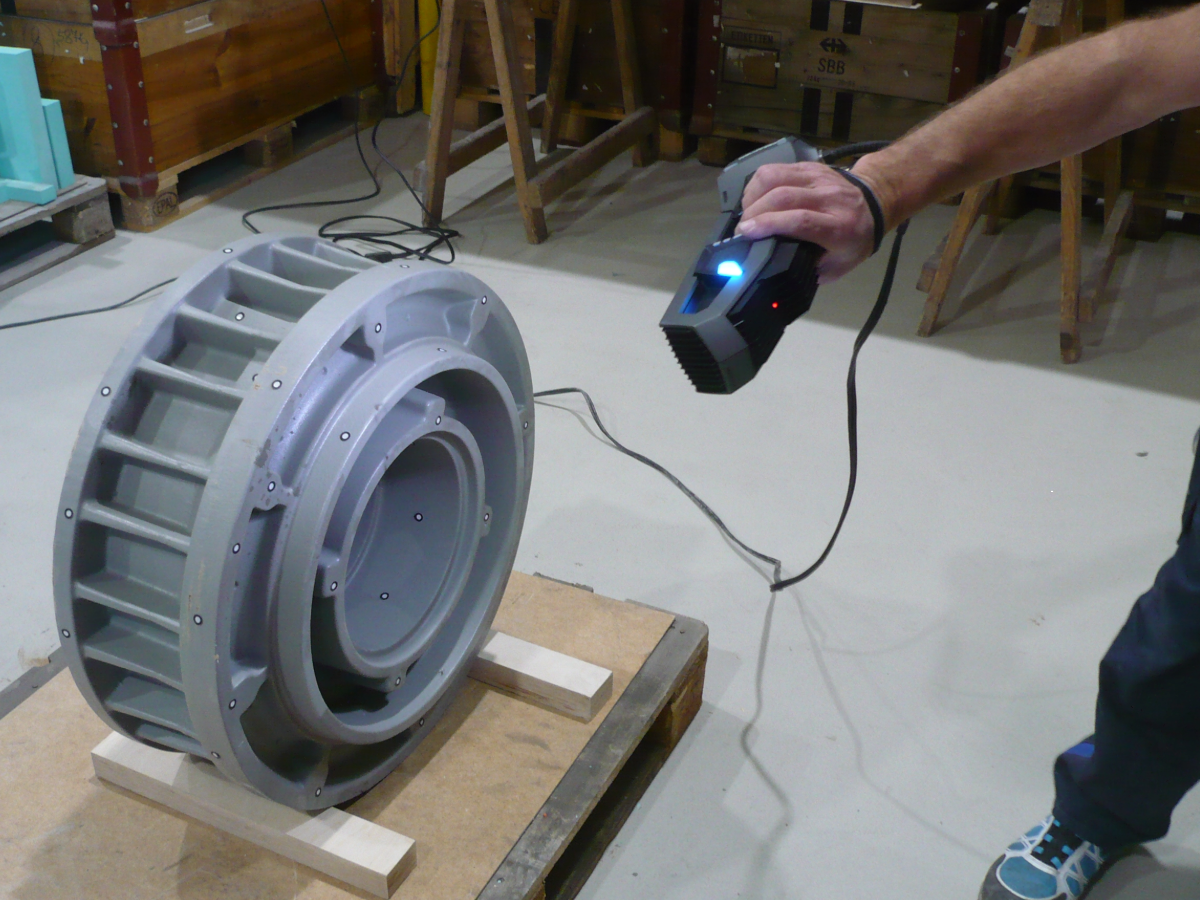
Many manufacturing businesses have adopted 3D scanning technology to improve production efficiency.
A prime example is GF Casting Solutions, an automotive parts manufacturer specializing in structural and powertrain components. Previously, quality control had to be performed in dedicated testing rooms, causing significant delays in the production process.
After deploying a mobile 3D scanning system directly on the production line, engineers can perform on-site inspections. This significantly reduces processing time, increases accuracy, and improves product quality.
Another case is Hidrostal, a Swiss manufacturer of industrial pumps. The company has adopted 3D scanning for reverse engineering and quality control of complex parts.
Thanks to its ability to collect detailed and accurate surface data, the 3D scanning system helps engineers quickly recreate CAD models of parts and check sand cores against the original design.
Integrating 3D scanning technology into the manufacturing process offers several clear benefits for casting plants.
This technology helps detect geometric deviations early in the production process, thereby minimizing the number of defective products and repair costs.
Scan data also supports the root cause analysis of manufacturing defects such as abnormal vibrations or premature failure of parts.
In addition, modern 3D scanners can operate directly in the factory environment without needing to transport parts to a specialized measurement room. This shortens inspection time and improves operational efficiency.
This technology also supports the creation of digital copies of products, allowing for monitoring of mold wear and optimizing the production process.
In the context of the manufacturing industry's transition to a smart factory model, digitizing product geometry data has become crucial.
3D scanning technology helps businesses build faster, more accurate inspection processes and easily integrate them with production management systems.
Thanks to its comprehensive measurement capabilities and high accuracy, 3D scanning is becoming a crucial tool in quality control, reverse engineering, and manufacturing process optimization.
The development of this technology is predicted to continue driving innovation in the casting industry, helping businesses enhance their competitiveness and meet the increasingly demanding requirements of the market.
Hotline - Zalo - LINE - Telegram - WhatsApp - Viber - Kakaotalk: +84 982 089 198 | 0986333960
Email: cuong3dmaster@gmail.com | hung3dmaster@gmail.com | tech3dmaster@gmail.com
Website: https://3dmaster.com.vn
